
Estimated Reading Time: 18–25 Minutes
The Complete Guide to Research Peptides
Research peptides have become one of the most rapidly expanding areas of modern biomedical science. Over the past two decades, advances in peptide chemistry, molecular biology, and receptor pharmacology have enabled researchers to investigate highly specific biological pathways with an unprecedented level of precision. Today, research peptides are widely studied in universities, pharmaceutical development, biotechnology companies, and independent laboratories around the world.
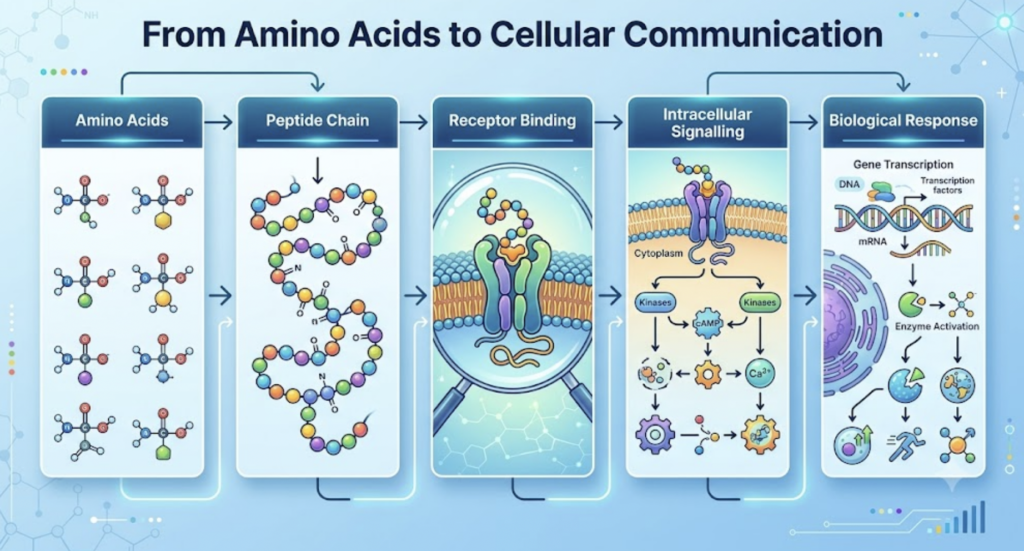
Unlike traditional small-molecule compounds, peptides are short chains of amino acids that often mimic naturally occurring biological messengers. Because of their specificity, they allow researchers to investigate cellular communication, receptor activation, intracellular signalling pathways, gene expression, protein interactions, and metabolic regulation in controlled laboratory settings.
The growing interest in peptide research has led to the development of hundreds of investigational compounds targeting a diverse range of biological systems. Some peptides are studied for their interactions with growth hormone-releasing hormone (GHRH) receptors, while others are designed to investigate GLP-1, GIP, or glucagon receptor signalling. Additional peptides are being explored in fields such as neurobiology, mitochondrial function, tissue biology, immunology, extracellular matrix research, and cellular ageing.
This guide provides a comprehensive overview of research peptides, including how they work, how they are manufactured, the major categories of peptides currently used in laboratory research, and why quality assurance is critical for reliable scientific investigations. Throughout the guide, we also highlight several of the most widely researched compounds—including Retatrutide, Tesamorelin, Sermorelin, Semaglutide, MOTS-c, Humanin, and GHK-Cu—to illustrate the breadth of modern peptide science.
Whether you are new to peptide research or looking to deepen your understanding of peptide pharmacology, this guide offers an accessible introduction to the mechanisms, classifications, and scientific applications that continue to shape this rapidly evolving field.
Important: All products referenced throughout this guide are intended exclusively for laboratory research purposes. They are not intended for human consumption, therapeutic use, or diagnostic applications.
What Are Research Peptides?
Peptides are naturally occurring or synthetically produced molecules composed of short chains of amino acids linked together by peptide bonds. They are larger than individual amino acids but smaller than full-length proteins, typically containing between 2 and 50 amino acids. Despite their relatively small size, peptides play essential roles throughout biology by acting as signalling molecules that help regulate communication between cells and tissues.
Within the body, naturally occurring peptides influence a wide variety of physiological processes, including hormone release, immune system signalling, metabolism, neurological communication, tissue maintenance, and cellular growth. Examples of endogenous peptides include insulin, glucagon, oxytocin, and vasoactive intestinal peptide (VIP)—all of which are naturally produced and studied extensively in biological research.
Research peptides are laboratory-produced versions of naturally occurring peptides or newly designed peptide analogues created to investigate specific biological pathways. By studying how these molecules interact with receptors, enzymes, and intracellular signalling networks, researchers can better understand complex biological systems and generate insights that contribute to future scientific discoveries.
Unlike broad-acting chemical compounds, peptides often exhibit a high degree of receptor specificity. This targeted interaction makes them valuable tools for studying individual signalling pathways without affecting large numbers of unrelated biological systems. As a result, peptides have become indispensable in fields such as endocrinology, neuroscience, immunology, molecular biology, pharmacology, and regenerative research.
Modern peptide research encompasses a wide range of investigational compounds, including:
- Growth hormone-releasing hormone (GHRH) analogues, such as Tesamorelin and Sermorelin
- Growth hormone secretagogues (GHSs), including Ipamorelin and Hexarelin
- Metabolic peptides, such as Retatrutide, Tirzepatide, and Semaglutide
- Mitochondrial-derived peptides, including Humanin and MOTS-c
- Neuropeptides, such as Semax, Selank, and VIP
- Extracellular matrix and tissue biology peptides, including GHK-Cu, Matrixyl, and Tripeptide-29
- Bioregulatory peptides, including Epithalon, Pinealon, Livagen, and Chonluten
Each category targets different biological systems and signalling pathways, making peptide research one of the most diverse and dynamic areas of biomedical science.
Why Are Research Peptides Important?
The increasing popularity of peptide research is driven by one key characteristic: specificity.
Many conventional small-molecule compounds interact with multiple receptors or enzymes simultaneously, making it difficult for researchers to isolate individual biological effects. Peptides, however, often demonstrate highly selective receptor binding, allowing scientists to investigate specific signalling pathways with greater precision.
This receptor selectivity has made peptides valuable tools for studying:
- Cell signalling and communication
- Hormone regulation
- Receptor pharmacology
- Endocrine biology
- Neurobiology
- Mitochondrial function
- Immune system signalling
- Molecular genetics
- Protein interactions
- Extracellular matrix biology
- Cellular metabolism
- Tissue biology
As peptide synthesis technologies continue to improve, researchers are also developing modified peptide analogues with enhanced stability, receptor selectivity, or altered signalling characteristics. Examples include Retatrutide, a triple receptor agonist investigated for metabolic signalling, and B7-33, a synthetic relaxin mimetic designed to study biased receptor activation.
These advances continue to expand the role of peptides as versatile research tools across both basic science and translational research.
What You’ll Learn in This Guide
To help you navigate the rapidly growing field of peptide science, this guide is organised into the following sections:
- How research peptides work
- The different classes of research peptides
- Growth hormone-releasing peptides and GHRH analogues
- Metabolic peptides, including Retatrutide and Semaglutide
- Mitochondrial-derived peptides
- Tissue and extracellular matrix peptides
- Neurobiology and cognitive research peptides
- How research peptides are manufactured
- Why purity and quality testing matter
- Frequently asked questions about research peptides
By the end of this guide, you’ll have a clearer understanding of how research peptides are classified, how they interact with biological systems, and why they have become one of the most important tools in modern biomedical research.
How Research Peptides Work
Understanding how research peptides interact with biological systems is fundamental to modern molecular biology and pharmacology. While each peptide possesses unique structural characteristics and biological targets, the majority function by interacting with specific receptors, enzymes, or proteins located on or within cells.
Rather than producing broad, non-specific biological effects, research peptides are designed—or naturally evolved—to influence highly targeted signalling pathways. This receptor specificity is one of the primary reasons peptides have become indispensable tools in laboratory research.
Scientists continue to investigate peptide signalling across numerous fields, including:
- Endocrinology
- Molecular biology
- Neuroscience
- Immunology
- Cellular metabolism
- Mitochondrial biology
- Tissue engineering
- Pharmacology
- Protein chemistry
- Receptor biology
By studying how peptides activate or inhibit these pathways, researchers can better understand the complex communication networks that regulate cellular behaviour.
How Research Peptides Bind to Cellular Receptors
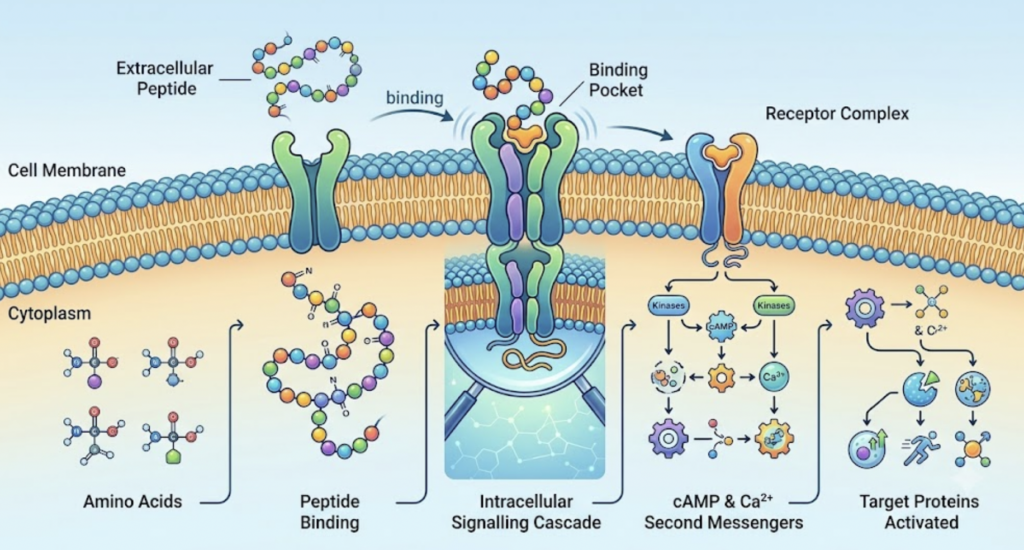
Many research peptides function as ligands, meaning they bind to highly specific receptors found on the surface of cells or within intracellular compartments.
A receptor can be thought of as a molecular “lock,” while a peptide acts as its corresponding “key.” When the correct peptide binds to its receptor, it triggers a series of biochemical events known collectively as a signal transduction pathway.
This process allows cells to communicate with one another and coordinate complex biological activities without directly entering the cell itself.
Examples include:
- Tesamorelin binding to Growth Hormone-Releasing Hormone (GHRH) receptors
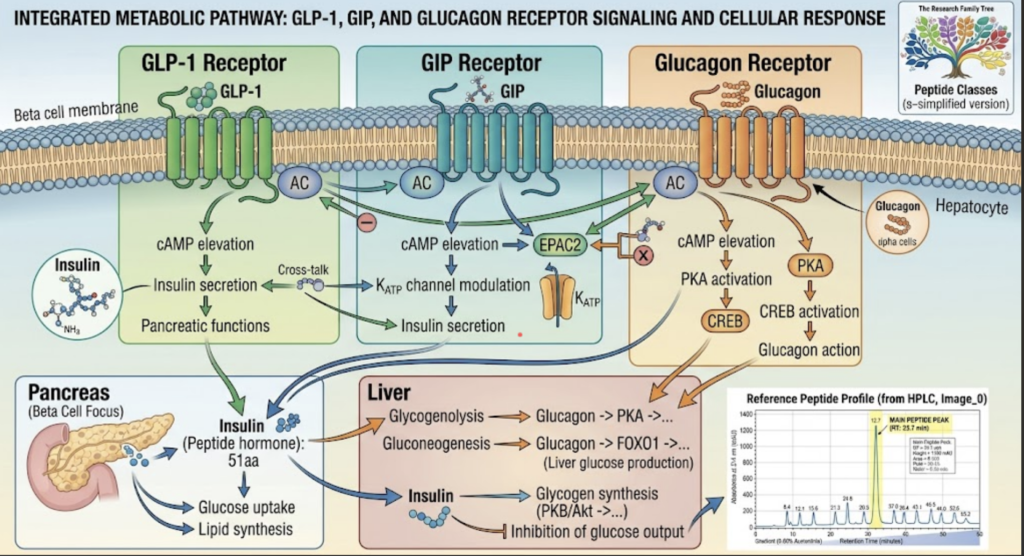
- Retatrutide interacting with GLP-1, GIP, and glucagon receptors
- VIP (Vasoactive Intestinal Peptide) activating VPAC1 and VPAC2 receptors
- B7-33 selectively interacting with the RXFP1 receptor
- Oxytocin binding to oxytocin receptors (OXTR)
- Kisspeptin-10 interacting with the KISS1 receptor
Each receptor activates its own intracellular signalling network, leading to distinct biological responses in experimental systems.
Cell Signalling: The Language of Biology
Every second, billions of cells communicate using highly organised chemical signalling systems. Peptides are among the most important signalling molecules involved in this communication.
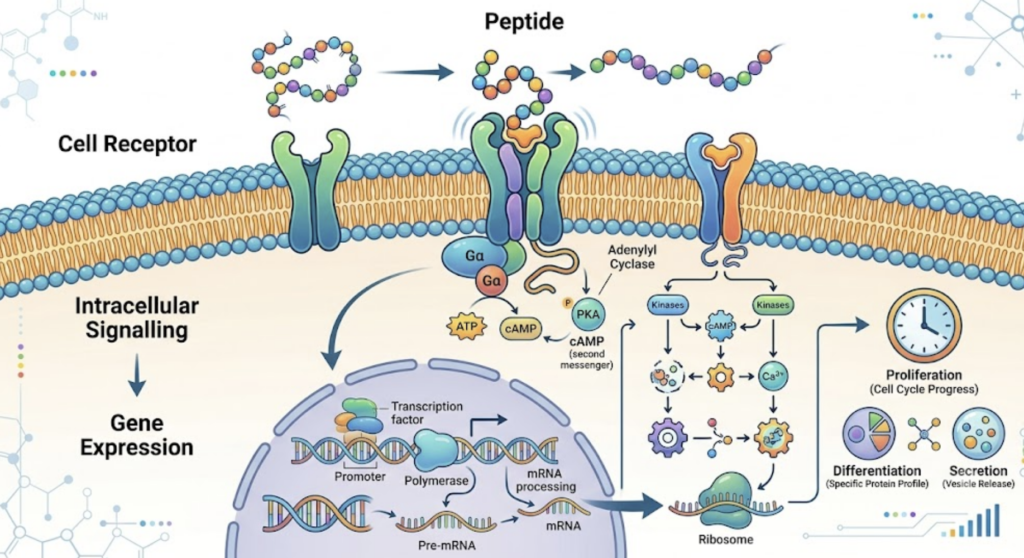
After a peptide binds to its receptor, it may activate one or more intracellular pathways, allowing the cell to respond to external signals.
Common downstream effects investigated in laboratory research include:
- Changes in gene expression
- Protein synthesis
- Enzyme activation
- Hormone secretion
- Cellular metabolism
- Cell differentiation
- Cell migration
- Neurotransmitter release
- Immune cell communication
- Mitochondrial function
Researchers continue to investigate how these signalling cascades influence normal cellular physiology and disease models.
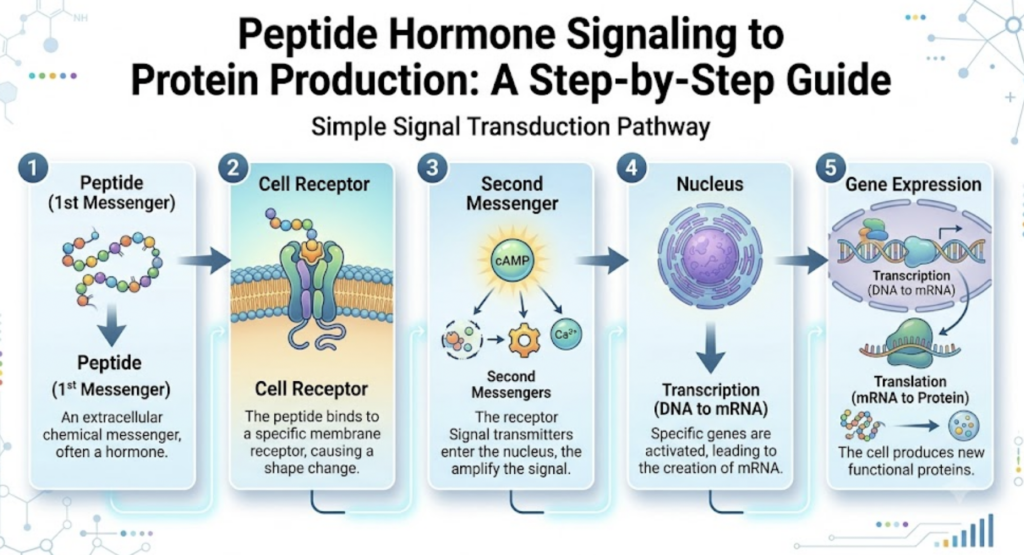
G Protein-Coupled Receptors (GPCRs)
One of the largest and most important receptor families investigated in peptide research is the G Protein-Coupled Receptor (GPCR) family.
GPCRs regulate an enormous range of biological processes and represent one of the most extensively studied classes of receptors in modern pharmacology.
Many research peptides interact directly with GPCRs, including:
- Retatrutide
- Semaglutide
- Tirzepatide
- VIP
- Oxytocin
- Kisspeptin-10
- Gonadorelin
- Triptorelin
- B7-33
When activated, GPCRs trigger intracellular messenger molecules that relay signals throughout the cell.
Researchers commonly investigate GPCR signalling because of its importance in:
- Hormone regulation
- Appetite signalling
- Metabolic control
- Nervous system communication
- Cardiovascular biology
- Gastrointestinal physiology
- Endocrine signalling
- Cellular communication
In fact, a significant proportion of approved medicines target GPCR pathways, highlighting their importance in biomedical science.
Growth Factor Receptors
Not all peptides signal through GPCRs.
Some interact with growth factor receptors or receptor tyrosine kinases involved in cellular growth, differentiation, and tissue development.
Examples include research involving:
- IGF-1 LR3
- MGF (Mechano-Growth Factor)
- Humanin
- ACE-031 (through ligand trapping mechanisms rather than traditional receptor activation)
These systems are frequently investigated in laboratory models of:
- Cell proliferation
- Protein synthesis
- Skeletal muscle biology
- Developmental biology
- Molecular signalling
- Tissue remodelling
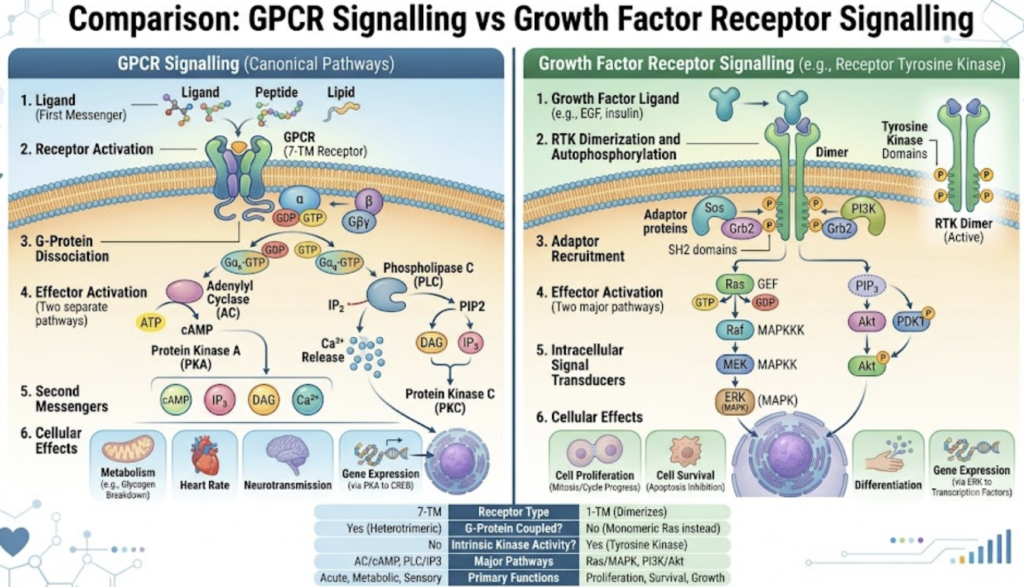
Intracellular Signalling Pathways
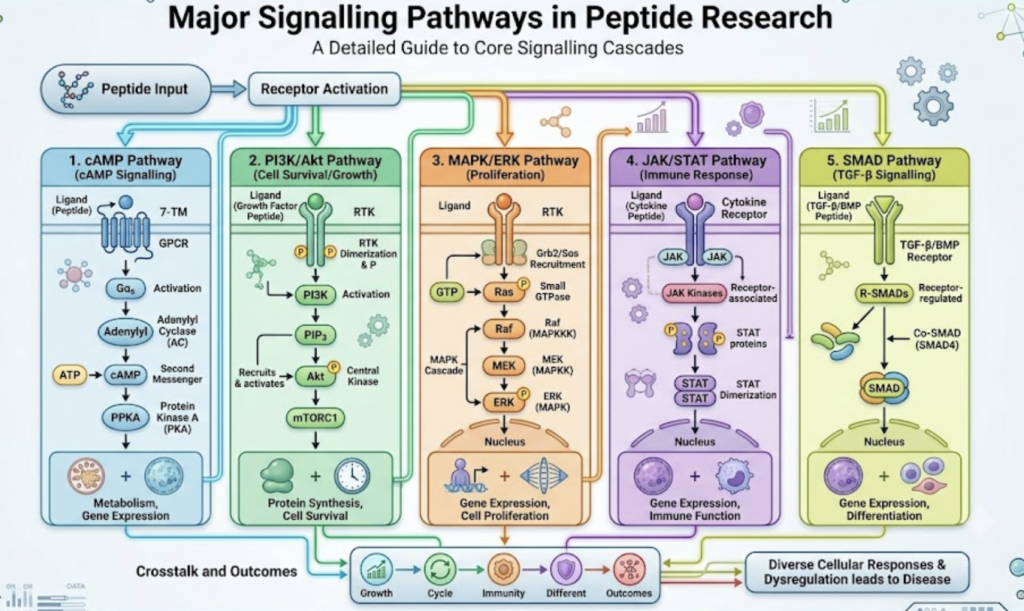
Once a receptor is activated, the signal is transmitted inside the cell through specialised molecular pathways.
Some of the most extensively investigated pathways in peptide research include:
CAMP Signalling
Investigated with peptides such as:
- VIP
- Semaglutide
- Retatrutide
- Tirzepatide
This pathway regulates numerous cellular functions including hormone secretion and metabolic signalling.
PI3K/Akt Pathway
Commonly studied with:
- IGF-1 LR3
- MGF
- Humanin
Researchers investigate this pathway because of its involvement in:
- Cell survival
- Protein synthesis
- Cellular metabolism
- Growth signalling
MAPK / ERK Pathway
Frequently investigated with:
- B7-33
- MGF
- Growth factor peptides
This signalling network contributes to studies involving:
- Cell differentiation
- Gene regulation
- Cellular adaptation
- Protein interactions
JAK/STAT Signalling
Researchers continue to investigate this pathway in studies involving:
- Humanin
- Cytokine signalling
- Immune communication
This pathway helps regulate numerous cellular communication processes.
SMAD Signalling
Commonly investigated in research involving:
- ACE-031
- Activin biology
- Myostatin signalling
SMAD proteins act as intracellular messengers for members of the TGF-β superfamily.
Receptor Selectivity: Why It Matters
One of the defining characteristics of peptide research is receptor selectivity.
Rather than interacting with dozens of unrelated targets, many peptides have evolved—or have been engineered—to bind a limited number of receptors with relatively high specificity.
This enables researchers to investigate:
- Individual receptor biology
- Cellular communication
- Ligand-receptor interactions
- Signal amplification
- Molecular pharmacology
- Structure-function relationships
Examples include:
- Tesamorelin, which selectively targets the GHRH receptor.
- Retatrutide, designed to interact with three distinct metabolic receptors: GLP-1, GIP, and glucagon receptors.
- Kisspeptin-10, investigated for its interaction with the KISS1 receptor.
- VIP, which primarily signals through VPAC1 and VPAC2 receptors.
Studying receptor selectivity helps researchers understand how individual signalling pathways contribute to broader biological processes.
Why Peptide Signalling Is Important in Biomedical Research
Peptide signalling sits at the centre of countless physiological processes, making it one of the most important areas of biomedical investigation.
Scientists continue to use research peptides to explore questions related to:
- Endocrine regulation
- Neurobiology
- Mitochondrial function
- Metabolism
- Immunology
- Tissue biology
- Cell communication
- Receptor pharmacology
- Gene regulation
- Molecular signalling
As new peptide analogues are developed, researchers gain additional tools for investigating increasingly specific biological mechanisms. This ongoing work contributes to a deeper understanding of cellular function and supports advances across basic science and translational research.
Types of Research Peptides
Research peptides are often classified according to their primary biological targets, signalling pathways, or areas of scientific investigation. Although some peptides fit neatly into a single category, many interact with multiple physiological systems and are therefore studied across several disciplines.
Understanding these classifications helps researchers select appropriate investigational compounds for specific laboratory models while also providing insight into the diverse mechanisms that peptides use to influence cellular communication.
The major categories of research peptides include:
- Growth hormone-releasing peptides and GHRH analogues
- Metabolic and incretin-based peptides
- Mitochondrial-derived peptides
- Tissue biology and extracellular matrix peptides
- Neurobiology and cognitive research peptides
- Bioregulatory peptides
- Immune and inflammatory signalling peptides
- Cell signalling and receptor pharmacology peptides
Each category contributes to a growing body of research spanning endocrinology, molecular biology, neuroscience, pharmacology, and cellular physiology.
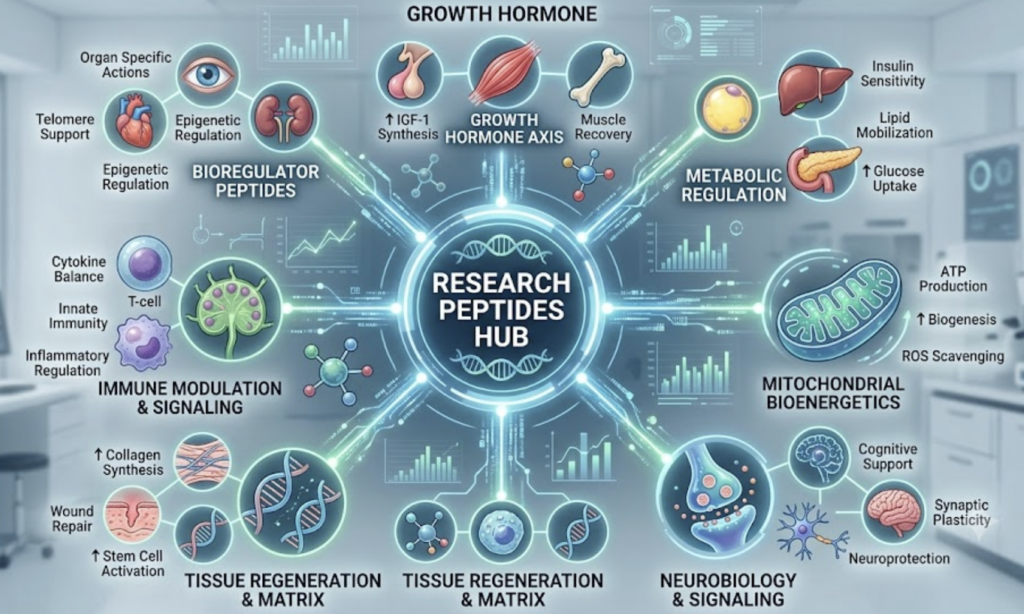
Growth Hormone Research Peptides
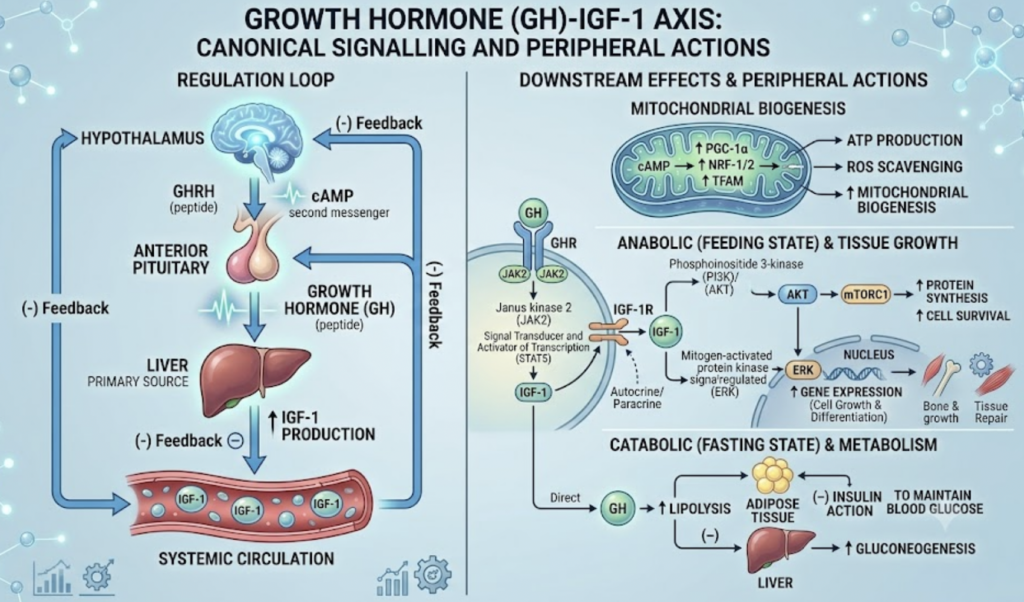
Growth hormone research peptides represent one of the largest and most extensively studied categories in peptide science. Rather than supplying growth hormone directly, many of these compounds are investigated for their ability to interact with the body’s natural hormone signalling pathways.
Researchers generally divide this category into two major groups:
Growth Hormone-Releasing Hormone (GHRH) Analogues
These peptides are designed to mimic the naturally occurring Growth Hormone-Releasing Hormone (GHRH) produced by the hypothalamus. By interacting with GHRH receptors located in the anterior pituitary, researchers investigate how these compounds influence growth hormone signalling in laboratory models.
Examples include:
- Tesamorelin
- Sermorelin
- Mod GRF 1-29 (CJC-1295 No DAC)
These peptides are commonly studied in relation to:
- Endocrine signalling
- Pituitary biology
- Growth hormone physiology
- IGF-1 pathways
- Molecular endocrinology
Growth Hormone Secretagogues (GHS)
Growth hormone secretagogues activate different biological pathways, primarily through the Growth Hormone Secretagogue Receptor (GHSR-1a).
Unlike GHRH analogues, these compounds investigate ghrelin receptor biology, making them an important category within endocrine research.
Examples include:
- Ipamorelin
- Hexarelin
Researchers continue investigating these peptides in studies involving:
- Ghrelin receptor signalling
- Hormonal regulation
- Endocrine physiology
- Receptor pharmacology
- Cellular communication
Additional Endocrine Peptides
Other endocrine research peptides include:
- Gonadorelin (GnRH)
- Triptorelin (GnRH)
- Kisspeptin-10
These compounds are investigated in laboratory models involving:
- Reproductive endocrinology
- Hypothalamic signalling
- Pituitary regulation
- Neuroendocrine communication
Metabolic Research Peptides
Metabolic peptides have become one of the fastest-growing areas of biomedical research because of their involvement in energy regulation, nutrient sensing, and hormone signalling.
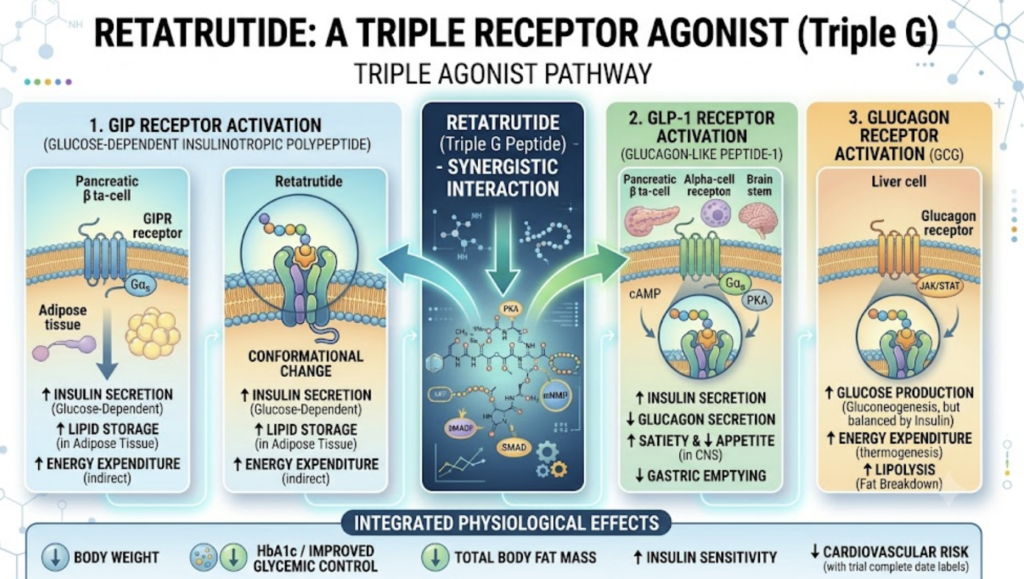
Many modern metabolic peptides interact with receptors belonging to the GLP-1, GIP, and glucagon signalling systems.
Examples include:
- Retatrutide
- Tirzepatide
- Semaglutide
Researchers investigate these compounds in laboratory models involving:
- Metabolic signalling
- Receptor pharmacology
- Endocrine communication
- Energy homeostasis
- Cellular metabolism
- Hormonal regulation
Other metabolic research compounds include:
- AOD-9604
- Fragment 176-191
- Adipotide (FTPP)
These investigational peptides continue to expand our understanding of metabolic biology and receptor-mediated signalling.
Mitochondrial-Derived Peptides
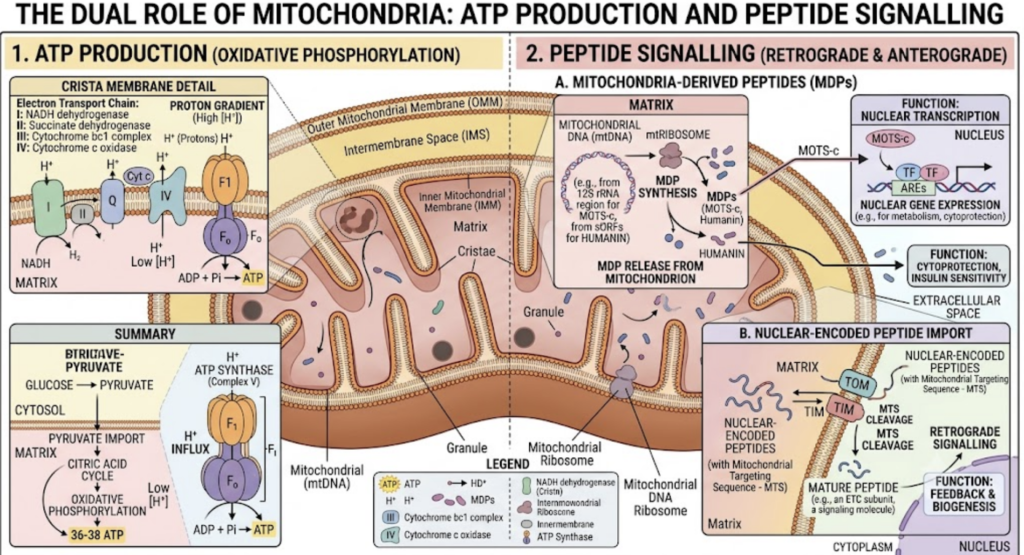
Mitochondria are often described as the “powerhouses” of the cell, but they also function as important signalling organelles.
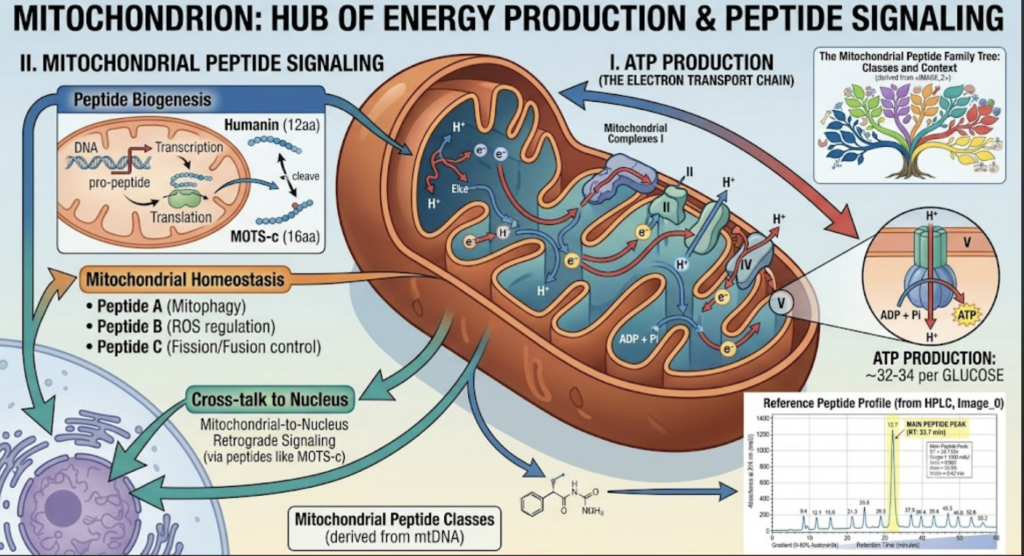
Scientists have identified a growing family of mitochondrial-derived peptides (MDPs) that help regulate communication between mitochondria and the rest of the cell.
Examples include:
- Humanin
- MOTS-c
Researchers investigate mitochondrial peptides in laboratory studies involving:
- Cellular metabolism
- Mitochondrial signalling
- Oxidative stress biology
- Protein homeostasis
- Cellular adaptation
- Energy regulation
Closely related areas of research also include compounds such as NAD+, which is widely studied for its role in cellular energy metabolism and redox biology.
Tissue Biology & Extracellular Matrix Peptides
The extracellular matrix (ECM) provides structural support for tissues while regulating communication between cells.
Researchers continue to investigate numerous peptides involved in extracellular matrix biology, collagen regulation, and tissue signalling.
Examples include:
- BPC-157
- TB-500
- GHK-Cu
- Matrixyl
- Tripeptide-29
These peptides are frequently studied in laboratory models involving:
- Extracellular matrix biology
- Collagen synthesis
- Cell migration
- Cellular signalling
- Protein interactions
- Tissue engineering
This category remains an active area of investigation in regenerative biology and biomaterials research.

Neurobiology Research Peptides
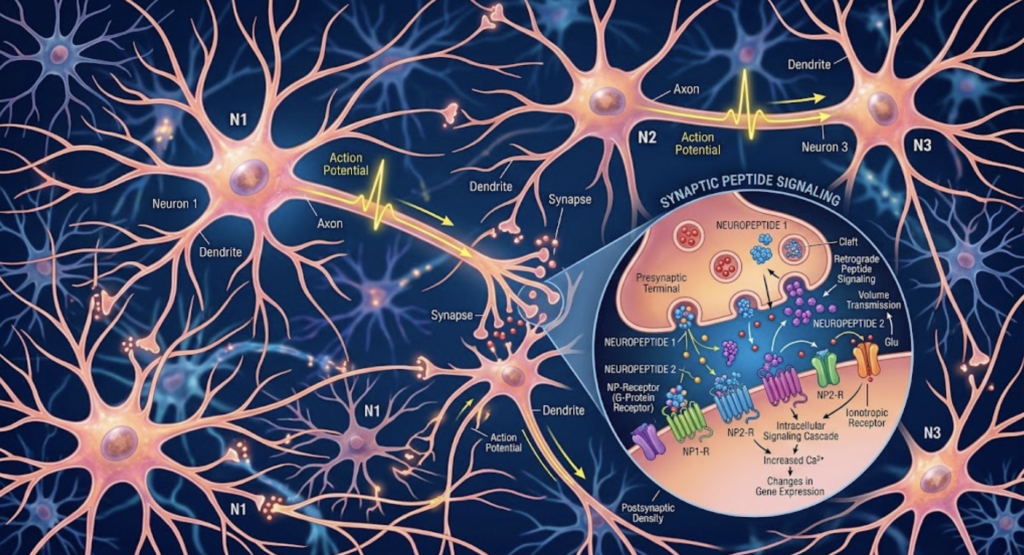
The nervous system relies heavily on peptide signalling.
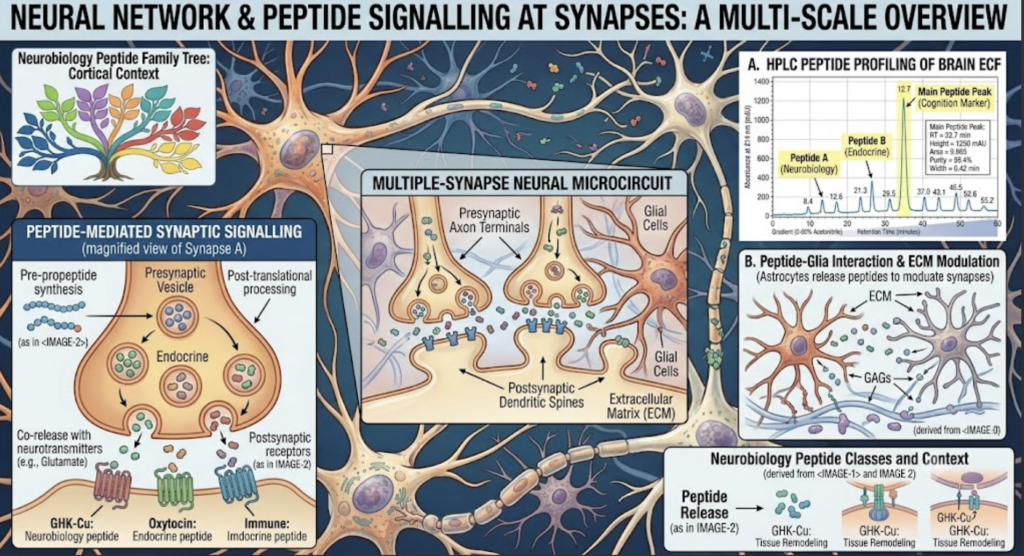
Numerous naturally occurring neuropeptides regulate communication between neurons, endocrine tissues, and immune cells.
Examples investigated in laboratory research include:
- Semax
- Selank
- DSIP
- VIP
- Oxytocin
- Pinealon
- Livagen
- Chonluten
Researchers investigate these peptides across fields including:
- Neuroscience
- Neuroendocrinology
- Synaptic signalling
- Neurotransmitter regulation
- Circadian rhythm biology
- Cognitive science
- Cell signalling
Many of these compounds also contribute to broader studies involving neuroimmune communication and molecular pharmacology.
Bioregulatory Peptides
Bioregulatory peptides are short peptide sequences investigated for their ability to influence cellular communication and gene regulation in laboratory models.
Many originated from research into tissue-specific peptide complexes and continue to be investigated in studies involving molecular biology and cellular physiology.
Examples include:
- Epithalon (Epitalon)
- Pinealon
- Livagen
- Chonluten
Researchers investigate these compounds in relation to:
- Gene expression
- Cellular communication
- Neuroendocrine biology
- Chronobiology
- Molecular signalling
- Cell physiology
These peptides have become an increasingly recognised area of peptide science because of their unique biological origins and relatively short amino acid sequences.
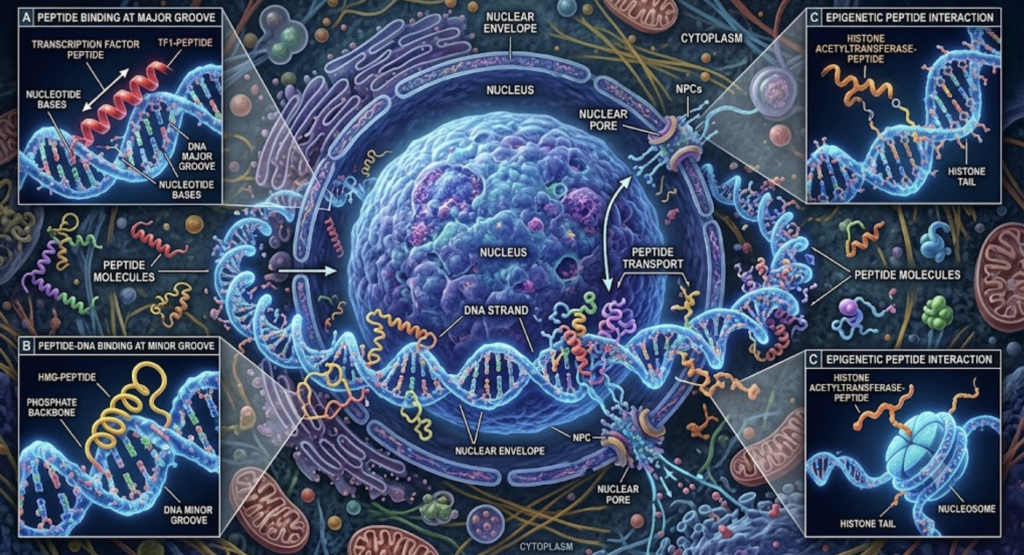
Cell Signalling & Receptor Pharmacology Peptides
Some investigational peptides are primarily used to study receptor biology and intracellular signalling rather than belonging to a traditional physiological category.
Examples include:
- B7-33
- ACE-031
- PNC-27
- FOXO4-DRI
Researchers investigate these compounds across laboratory models involving:
- GPCR biology
- Protein-protein interactions
- Cellular signalling
- Receptor pharmacology
- Molecular biology
- Cell membrane biology
- Ligand-receptor interactions
Because these peptides often possess unique mechanisms of action, they continue to generate significant scientific interest across multiple research disciplines.

Why Peptide Classification Matters
As peptide science continues to evolve, understanding how different classes of peptides function allows researchers to better interpret experimental results and select appropriate compounds for specific laboratory investigations.
Although these categories are useful for organisation, many peptides influence multiple signalling systems simultaneously.
For example:
- Retatrutide spans metabolic biology, receptor pharmacology, and endocrinology.
- Humanin bridges mitochondrial biology, cell signalling, and molecular pharmacology.
- GHK-Cu is investigated in extracellular matrix biology, peptide chemistry, and cellular communication.
- VIP contributes to neurobiology, immunology, pulmonary biology, and GPCR research.
This overlap illustrates the complexity of modern peptide science and highlights why interdisciplinary research continues to drive new discoveries.
Retatrutide Explained: Mechanism of Action, Receptor Biology & Current Research
Retatrutide has rapidly become one of the most discussed investigational peptides in metabolic research due to its unique mechanism of action. Unlike earlier peptide compounds that primarily target a single receptor, Retatrutide was engineered as a triple receptor agonist, allowing researchers to investigate three interconnected metabolic signalling pathways simultaneously.
This distinctive pharmacological profile has made Retatrutide an important area of investigation in laboratory studies involving endocrinology, receptor pharmacology, metabolic regulation, cellular signalling, and peptide chemistry.
Although Retatrutide remains an investigational compound, its receptor activity has generated considerable scientific interest because it combines three naturally occurring hormone pathways into a single synthetic peptide analogue.
What Is Retatrutide?
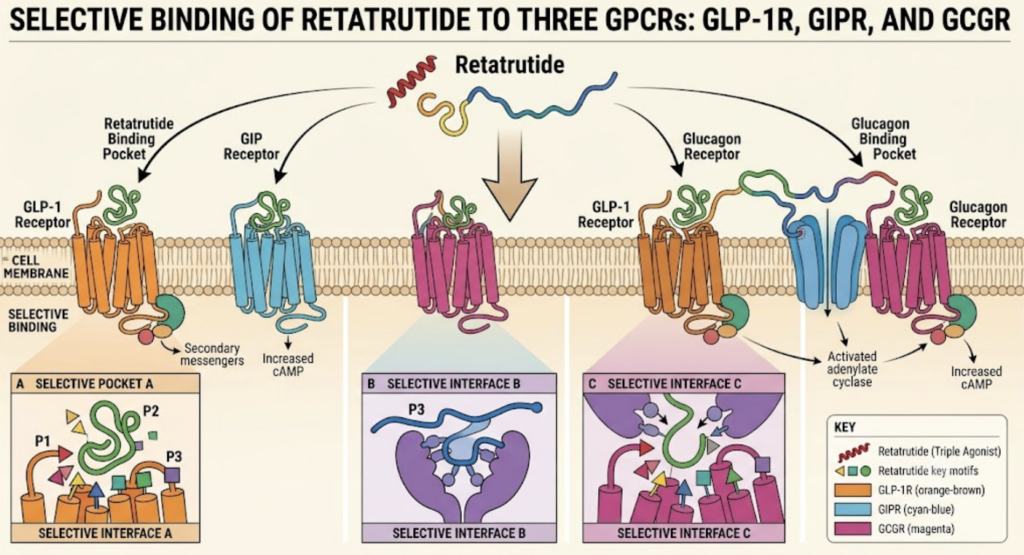
Retatrutide is a synthetic investigational peptide designed to activate three separate receptor systems involved in metabolic signalling:
- Glucagon-Like Peptide-1 (GLP-1) receptor
- Glucose-Dependent Insulinotropic Polypeptide (GIP) receptor
- Glucagon receptor
Because of this three-receptor profile, Retatrutide is commonly referred to as a triple agonist peptide.
Researchers continue to investigate how simultaneous activation of these receptors influences cellular communication, endocrine signalling, energy metabolism, and receptor pharmacology within controlled laboratory settings.
Unlike traditional single-target peptide analogues, Retatrutide provides scientists with an opportunity to study the interaction between multiple hormonal signalling pathways as part of one coordinated experimental model.
Understanding the Three Receptors
One of Retatrutide’s defining characteristics is its interaction with three distinct receptor families. Each receptor has unique biological functions, and together they form an interconnected network that regulates metabolic signalling.
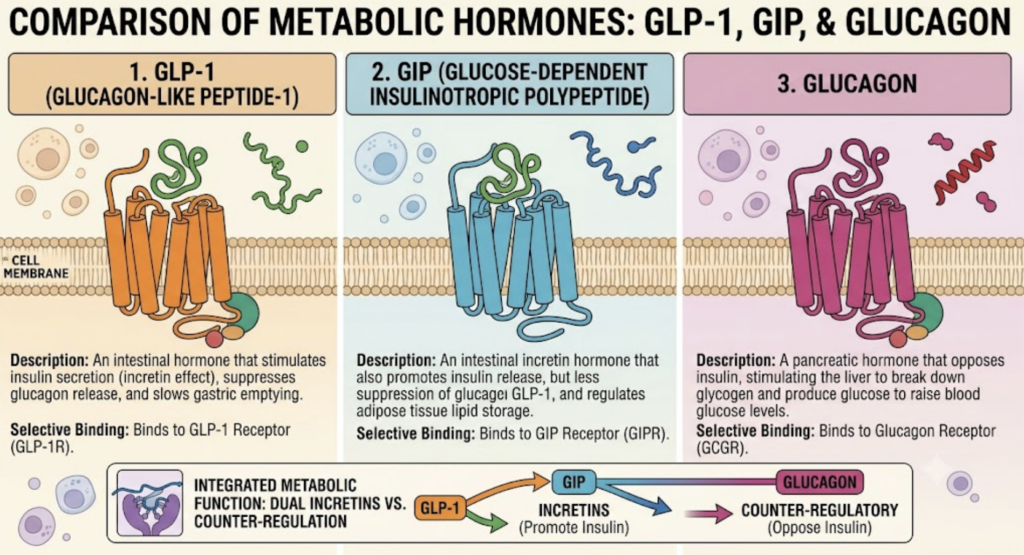
GLP-1 Receptor
The GLP-1 receptor is one of the most extensively studied peptide receptors in endocrinology.
Naturally activated by the hormone Glucagon-Like Peptide-1, this receptor plays a central role in laboratory investigations involving:
- Endocrine signalling
- Gastrointestinal physiology
- Energy regulation
- Cellular communication
- Hormonal biology
Other well-known investigational peptides targeting this receptor include:
- Semaglutide
- Tirzepatide
- Retatrutide
Researchers continue to investigate GLP-1 receptor signalling because of its importance in receptor pharmacology and metabolic biology.
GIP Receptor
The Glucose-Dependent Insulinotropic Polypeptide (GIP) receptor represents another major focus of metabolic research.
GIP receptors contribute to complex hormonal signalling networks involved in nutrient sensing and endocrine communication.
Retatrutide and Tirzepatide both interact with this receptor, allowing researchers to investigate how combined receptor activation influences cellular signalling compared with GLP-1 receptor activation alone.
Current laboratory studies involving GIP signalling include:
- Receptor biology
- Molecular endocrinology
- Hormone signalling
- Cellular metabolism
- Pharmacological modelling
Glucagon Receptor
The third receptor targeted by Retatrutide is the glucagon receptor.
Although glucagon biology has been investigated for decades, combining glucagon receptor activation with GLP-1 and GIP receptor activity represents a relatively new area of peptide research.
Researchers continue to investigate glucagon receptor signalling in studies involving:
- Energy homeostasis
- Metabolic physiology
- Hormonal communication
- Cellular signalling
- Receptor pharmacology
The addition of glucagon receptor activity is one of the major features distinguishing Retatrutide from earlier investigational metabolic peptides.
Why Triple Receptor Agonists Are Important in Research
Historically, many investigational peptides were designed to target a single receptor. While this approach provides valuable information about individual signalling pathways, biological systems rarely operate in isolation.
Researchers increasingly recognise that metabolic regulation depends on multiple hormones working together.
Triple receptor agonists such as Retatrutide allow scientists to investigate:
- Integrated endocrine signalling
- Hormonal cross-talk
- Receptor synergy
- Signal amplification
- Cellular adaptation
- Complex metabolic communication
This systems-based approach reflects a broader trend in biomedical research toward understanding how interconnected signalling networks influence cellular function.
Retatrutide Compared with Other Metabolic Peptides
Modern metabolic peptide research includes several well-known investigational compounds.
Understanding their receptor profiles helps illustrate why Retatrutide has attracted significant scientific interest.
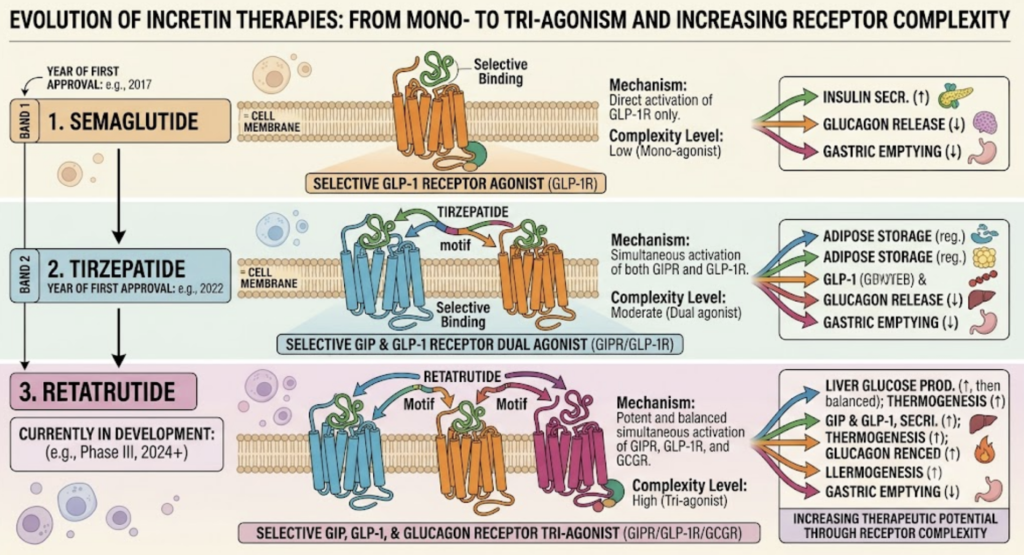
| Peptide | GLP-1 | GIP | Glucagon |
|---|---|---|---|
| Semaglutide | ✔ | — | — |
| Tirzepatide | ✔ | ✔ | — |
| Retatrutide | ✔ | ✔ | ✔ |
This progression from single to dual and ultimately triple receptor agonism reflects the continuing evolution of peptide engineering and receptor pharmacology.
Current Areas of Retatrutide Research
Scientists continue to investigate Retatrutide across multiple research disciplines.
Current areas of investigation include:
- Endocrinology
- Metabolic signalling
- Receptor pharmacology
- Cellular metabolism
- Hormonal communication
- Energy homeostasis
- Molecular biology
- Cell signalling
- Peptide chemistry
- Translational research
Researchers are particularly interested in understanding how simultaneous receptor activation influences signalling networks compared with single-receptor or dual-receptor peptide analogues.
These remain active areas of laboratory investigation and should not be interpreted as established therapeutic or clinical applications.
How Retatrutide Differs from Tesamorelin
Although both are synthetic peptides, Retatrutide and Tesamorelin belong to entirely different scientific categories.
Retatrutide primarily targets:
- GLP-1 receptors
- GIP receptors
- Glucagon receptors
Tesamorelin primarily targets:
- Growth Hormone-Releasing Hormone (GHRH) receptors
This means researchers investigate the two peptides for different biological questions.
Retatrutide is commonly associated with laboratory studies involving metabolic signalling and receptor pharmacology, whereas Tesamorelin is investigated within endocrine biology, pituitary signalling, and growth hormone regulation.
Understanding these differences helps researchers select appropriate investigational compounds depending on the signalling pathways they wish to explore.

Why Retatrutide Has Become One of the Most Searched Research Peptides
Interest in Retatrutide has increased significantly within the scientific community because it represents a new generation of receptor-targeted peptide engineering.
Researchers continue to investigate:
- Multi-receptor pharmacology
- Integrated endocrine signalling
- Hormone receptor interactions
- Synthetic peptide design
- Cellular communication
- Molecular pharmacology
Its unique triple agonist profile has positioned Retatrutide as one of the most discussed investigational metabolic peptides currently available for laboratory research.
Frequently Asked Questions About Retatrutide
What is Retatrutide?
Retatrutide is a synthetic investigational peptide designed to activate the GLP-1, GIP, and glucagon receptors simultaneously, making it a triple receptor agonist studied in metabolic and endocrine research.
Why is Retatrutide called a triple agonist?
It is referred to as a triple agonist because it interacts with three distinct receptor systems: GLP-1, GIP, and glucagon receptors.
How is Retatrutide different from Tirzepatide?
Both peptides interact with GLP-1 and GIP receptors. Retatrutide also targets the glucagon receptor, giving it a broader receptor profile for laboratory investigation.
Is Retatrutide the same as Semaglutide?
No. Semaglutide primarily targets the GLP-1 receptor, while Retatrutide is designed to activate GLP-1, GIP, and glucagon receptors.
What areas of research use Retatrutide?
Researchers investigate Retatrutide in studies involving metabolic signalling, receptor pharmacology, endocrinology, peptide chemistry, cellular communication, and molecular biology.
Tesamorelin Explained: Mechanism of Action, Growth Hormone Signalling & Current Research
Tesamorelin is one of the most extensively studied Growth Hormone-Releasing Hormone (GHRH) analogues in modern peptide research. Unlike peptides that interact with metabolic receptors such as GLP-1 or GIP, Tesamorelin is primarily investigated for its interaction with the Growth Hormone-Releasing Hormone receptor (GHRH-R) located in the anterior pituitary.
Its highly selective mechanism has made Tesamorelin an important investigational peptide across laboratory studies involving endocrinology, pituitary biology, hormone signalling, receptor pharmacology, molecular biology, and growth factor research.
As interest in endocrine signalling continues to grow, Tesamorelin remains one of the most recognised peptides within the GHRH analogue family and is frequently compared with compounds such as Sermorelin, Mod GRF 1-29 (CJC-1295 No DAC), Ipamorelin, and Hexarelin.
What Is Tesamorelin?
Tesamorelin is a synthetic peptide analogue based on the naturally occurring Growth Hormone-Releasing Hormone (GHRH) produced by the hypothalamus.
Rather than supplying growth hormone directly, Tesamorelin is designed to bind to GHRH receptors within the anterior pituitary, allowing researchers to investigate the body’s natural growth hormone signalling pathways in controlled laboratory settings.
Because it acts upstream of growth hormone release, Tesamorelin is commonly studied alongside other peptides involved in endocrine regulation and pituitary physiology.
Scientists continue to investigate Tesamorelin in laboratory models involving:
- Growth hormone physiology
- Endocrine signalling
- Pituitary biology
- IGF-1 regulation
- Molecular endocrinology
- Receptor pharmacology
- Hormonal communication
Its mechanism makes it fundamentally different from metabolic peptides such as Retatrutide or Semaglutide, which primarily target incretin and glucagon receptor pathways.
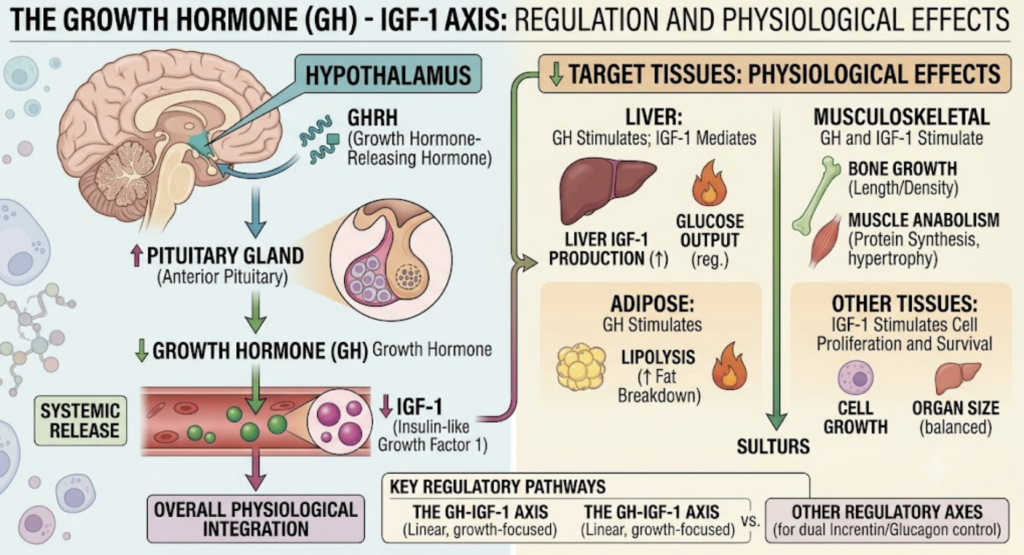
Understanding the Growth Hormone Axis
The growth hormone axis is one of the body’s most carefully regulated endocrine systems.
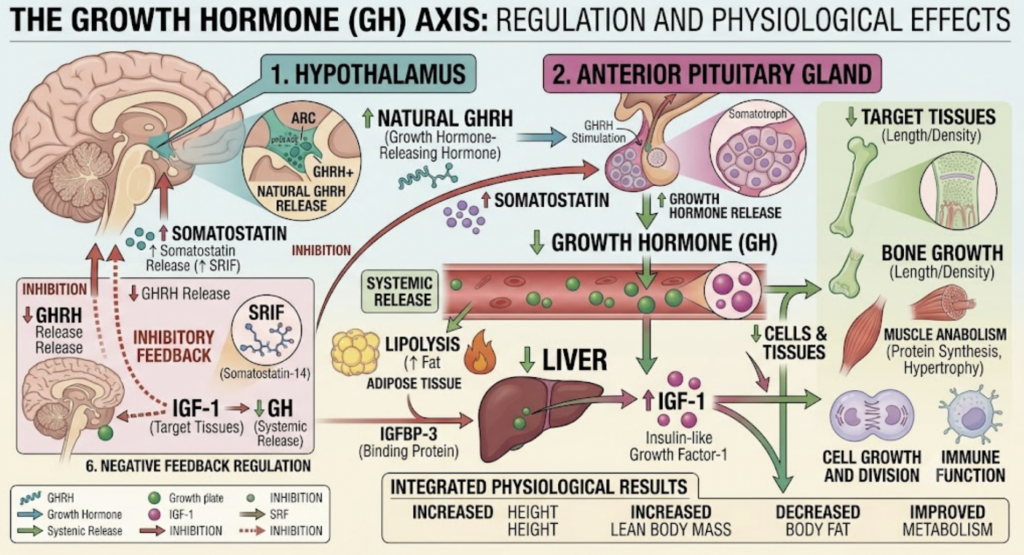
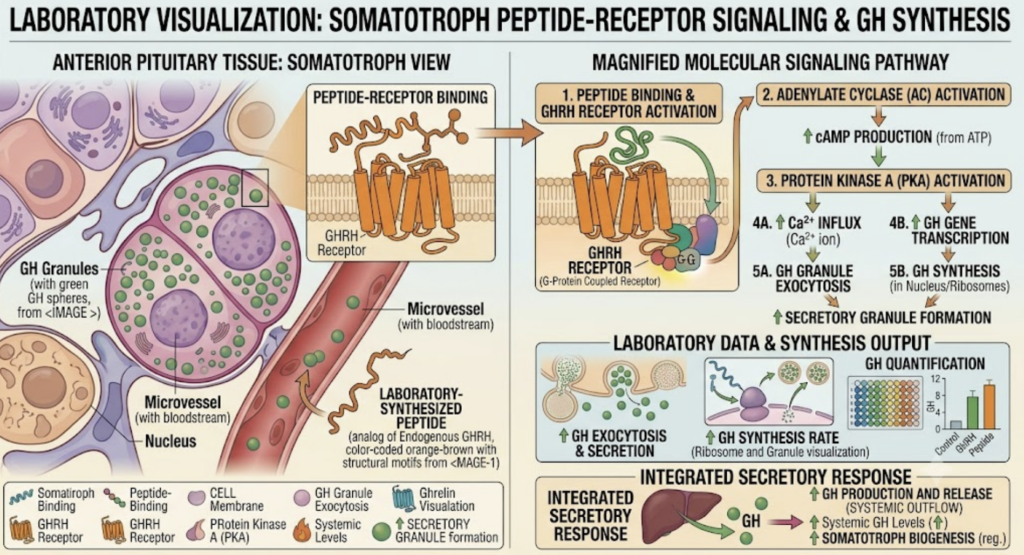
Under normal physiological conditions, the hypothalamus releases Growth Hormone-Releasing Hormone (GHRH), which travels to the anterior pituitary and binds to GHRH receptors.
This interaction stimulates the pituitary to release Growth Hormone (GH) into circulation.
Growth hormone then acts on multiple tissues, including the liver, where it contributes to the production of Insulin-Like Growth Factor-1 (IGF-1).
Researchers continue to investigate each component of this signalling pathway because of its importance in endocrine physiology and cellular communication.
How Tesamorelin Works
Tesamorelin functions by selectively binding to the Growth Hormone-Releasing Hormone receptor (GHRH-R).
Once bound, researchers investigate how receptor activation influences intracellular signalling within pituitary cells and the subsequent release of endogenous growth hormone.
Unlike Growth Hormone Secretagogues (GHSs), Tesamorelin does not primarily interact with the ghrelin receptor.
Instead, its activity remains focused on the natural GHRH signalling pathway.
This distinction makes Tesamorelin particularly valuable for studying:
- GHRH receptor pharmacology
- Endocrine communication
- Hormonal regulation
- Pituitary physiology
- Growth factor signalling
- Molecular endocrinology
Tesamorelin vs Sermorelin
Tesamorelin and Sermorelin belong to the same family of investigational peptides because both are GHRH analogues.
Researchers often compare the two compounds when studying endocrine signalling.
| Feature | Tesamorelin | Sermorelin |
|---|---|---|
| Peptide Family | GHRH Analogue | GHRH Analogue |
| Primary Target | GHRH Receptor | GHRH Receptor |
| Research Area | Endocrinology | Endocrinology |
| Pituitary Signalling | ✔ | ✔ |
| IGF-1 Research | ✔ | ✔ |
Although they share similar biological targets, researchers continue to investigate differences in peptide structure, receptor affinity, and signalling characteristics.
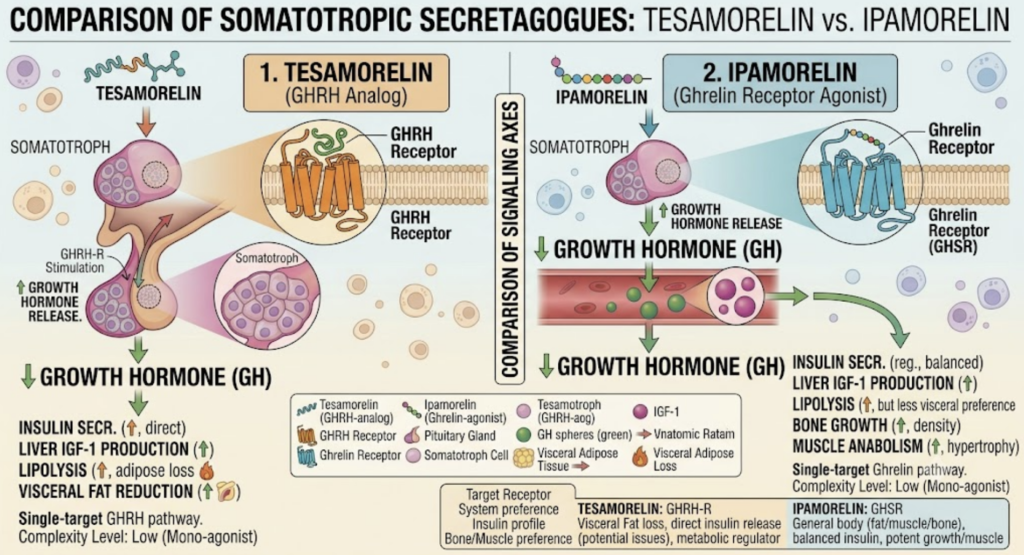
Tesamorelin vs Ipamorelin
One of the most common misconceptions is that Tesamorelin and Ipamorelin work through the same biological pathway.
They do not.
Tesamorelin primarily activates:
- GHRH receptors
Ipamorelin primarily activates:
- Growth Hormone Secretagogue Receptor (GHSR-1a)
This distinction means researchers use these peptides to investigate different receptor systems despite both belonging to the broader field of endocrine peptide research.
Tesamorelin vs Retatrutide
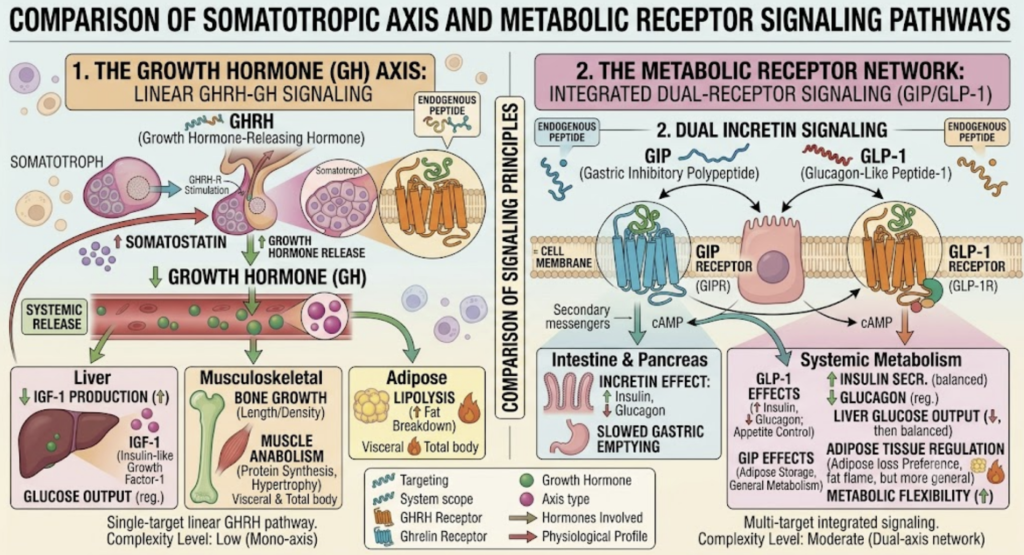
Although both are synthetic peptides, Tesamorelin and Retatrutide belong to entirely different scientific categories.
| Tesamorelin | Retatrutide |
| GHRH analogue | Triple receptor agonist |
| Endocrine signalling | Metabolic signalling |
| GHRH receptor | GLP-1 receptor |
| Pituitary biology | GIP receptor |
| Growth hormone axis | Glucagon receptor |
This comparison highlights why peptide classification is important when selecting investigational compounds for laboratory research.
Each peptide answers different biological questions.
Current Areas of Tesamorelin Research
Scientists continue to investigate Tesamorelin across numerous research disciplines.
Current laboratory investigations include:
- Endocrine biology
- Molecular endocrinology
- Growth hormone physiology
- Pituitary signalling
- IGF-1 pathways
- Hormonal communication
- Cell signalling
- Molecular pharmacology
- Protein synthesis
- Peptide chemistry
Researchers also study how GHRH analogues compare with Growth Hormone Secretagogues (GHSs) to better understand receptor-specific signalling within endocrine systems.
These remain areas of active scientific investigation and should not be interpreted as established therapeutic or clinical applications.
Why Tesamorelin Is One of the Most Studied GHRH Analogues
Tesamorelin has become one of the most recognised investigational peptides because it provides researchers with a highly selective model for studying natural growth hormone regulation.
Rather than bypassing endocrine signalling, it allows scientists to investigate physiological hormone release through the body’s own regulatory pathways.
This makes Tesamorelin particularly valuable for research involving:
- Hormone physiology
- Endocrine communication
- Receptor pharmacology
- Molecular signalling
- Cellular biology
- Growth factor regulation
Its specificity continues to make it one of the leading peptides investigated within the field of endocrine research.
Frequently Asked Questions About Tesamorelin
What is Tesamorelin?
Tesamorelin is a synthetic Growth Hormone-Releasing Hormone (GHRH) analogue investigated in laboratory research involving endocrine signalling, pituitary biology, and growth hormone physiology.
What receptor does Tesamorelin target?
Researchers investigate Tesamorelin because it selectively binds to the Growth Hormone-Releasing Hormone receptor (GHRH-R) located in the anterior pituitary.
Is Tesamorelin the same as Sermorelin?
No. Although both belong to the GHRH analogue family, they are distinct peptides with different structures and are investigated independently in laboratory research.
Is Tesamorelin a Growth Hormone Secretagogue?
No. Tesamorelin is classified as a Growth Hormone-Releasing Hormone analogue, whereas Growth Hormone Secretagogues such as Ipamorelin and Hexarelin primarily interact with the ghrelin receptor (GHSR-1a).
What is the difference between Tesamorelin and Retatrutide?
Tesamorelin is primarily investigated for endocrine signalling through the GHRH receptor, while Retatrutide is a triple receptor agonist that targets GLP-1, GIP, and glucagon receptors involved in metabolic signalling.
How Research Peptides Are Manufactured: From Peptide Synthesis to Quality Control
One of the most important factors in peptide research is quality. Regardless of how promising a peptide’s mechanism of action may be, reliable scientific research depends on consistent manufacturing, verified purity, and comprehensive quality control.
Modern peptide manufacturing combines advanced chemistry, analytical testing, and strict production standards to produce highly characterised research materials suitable for laboratory investigations.
From the initial amino acid sequence to the finished lyophilised peptide vial, every stage of production influences the quality and consistency of the final product.
Understanding how research peptides are manufactured also helps explain why analytical testing and batch verification are essential components of responsible peptide research.

Step 1: Peptide Design
Every research peptide begins with an amino acid sequence.
Scientists design peptide sequences based on naturally occurring hormones, signalling molecules, receptor-binding domains, or entirely novel synthetic structures developed for laboratory investigation.
Examples include:
| Peptide | Amino Acid Length | Research Focus |
|---|---|---|
| Tesamorelin | 44 | GHRH analogue |
| Sermorelin | 29 | GHRH analogue |
| Ipamorelin | 5 | Growth Hormone Secretagogue |
| Humanin | 24 | Mitochondrial peptide |
| MOTS-c | 16 | Mitochondrial signalling |
| GHK-Cu | 3 | Copper peptide |
| BPC-157 | 15 | Tissue biology |
| Epithalon | 4 | Bioregulatory peptide |
Researchers carefully optimise peptide sequences to investigate receptor selectivity, biological stability, and signalling characteristics.
Step 2: Solid-Phase Peptide Synthesis (SPPS)
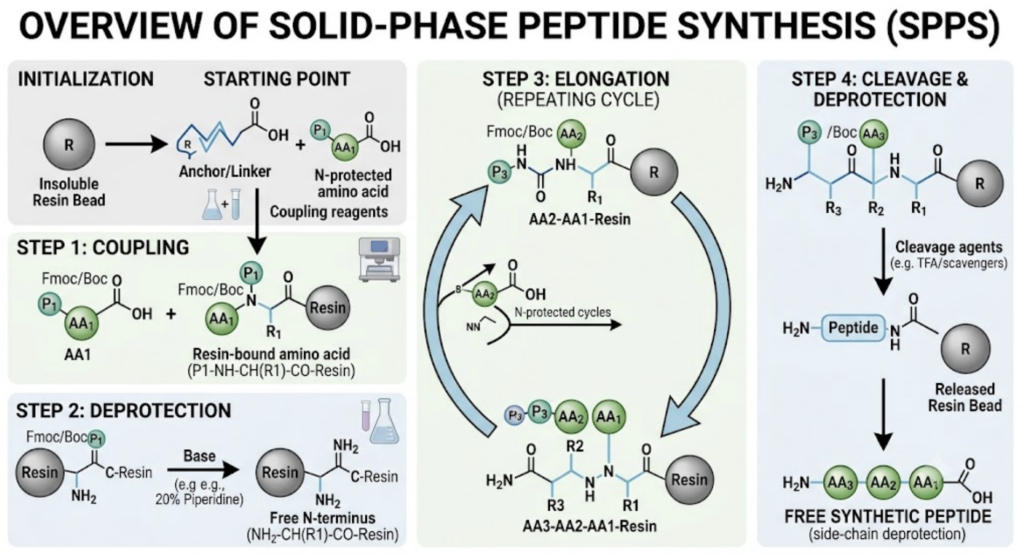
The vast majority of modern research peptides are manufactured using Solid-Phase Peptide Synthesis (SPPS).
Developed by Nobel Prize-winning chemist Robert Bruce Merrifield, SPPS revolutionised peptide chemistry by allowing amino acids to be assembled one at a time while attached to a solid resin.
The simplified process includes:
- A starting amino acid is attached to a resin bead.
- Protective chemical groups are removed.
- The next amino acid is added.
- A coupling reaction joins the amino acids together.
- The process repeats until the full peptide sequence is complete.
- The completed peptide is cleaved from the resin.
This method enables the production of complex peptide sequences with exceptional precision and reproducibility.
Step 3: Purification
Following synthesis, the crude peptide contains the desired sequence along with small amounts of incomplete chains and synthesis by-products.
To obtain a high-quality research material, the peptide undergoes purification.
The most widely used purification technique is:
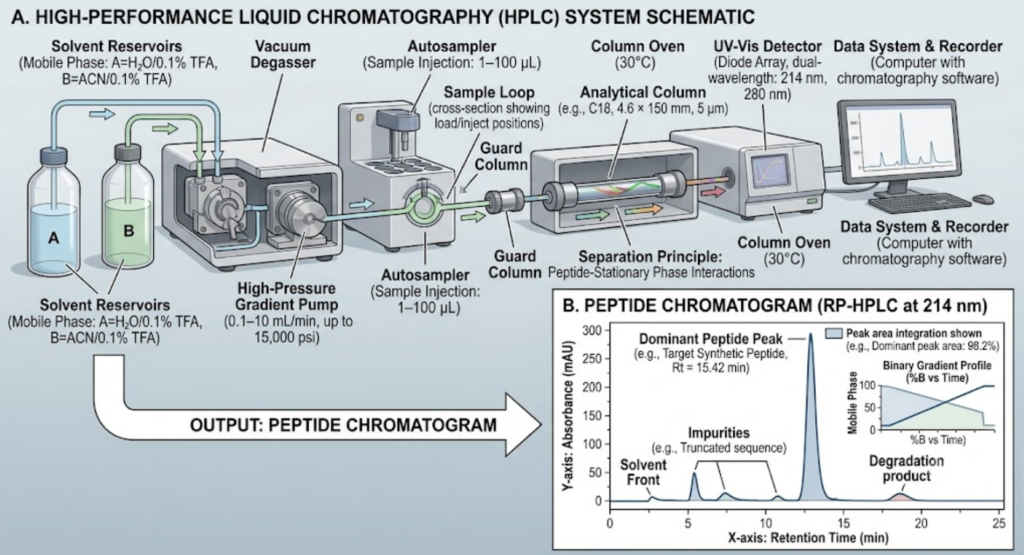
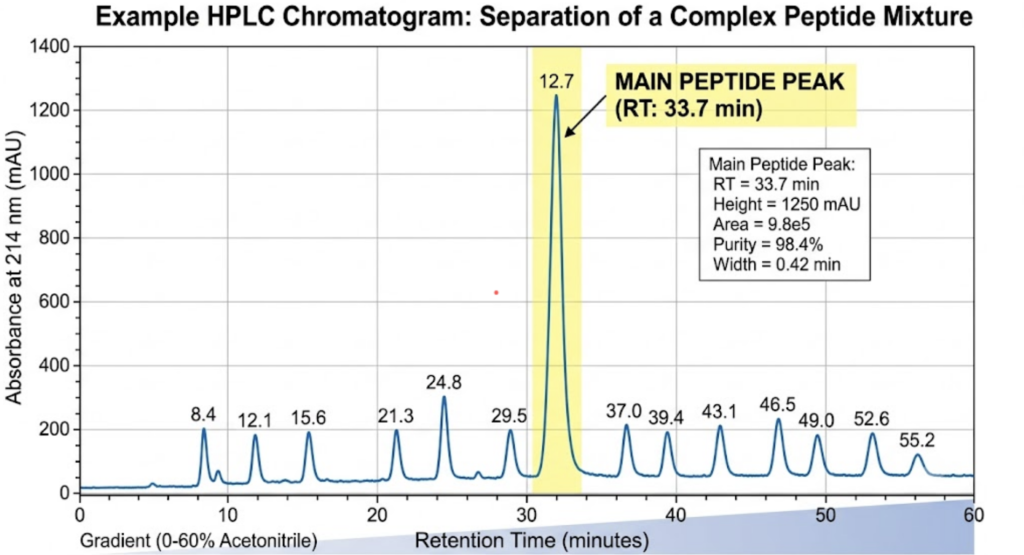
High-Performance Liquid Chromatography (HPLC)
HPLC separates molecules according to their chemical properties, allowing researchers to isolate the target peptide from impurities.
Many research-grade peptides are purified to 95% purity or higher, although the exact specification depends on the intended laboratory application.
Higher purity generally improves reproducibility by reducing unwanted contaminants that could influence experimental results.
Step 4: Identity Verification
Purity alone is not enough.
Researchers must also confirm that the synthesised molecule is the correct peptide.
One of the most common techniques used for identity verification is:
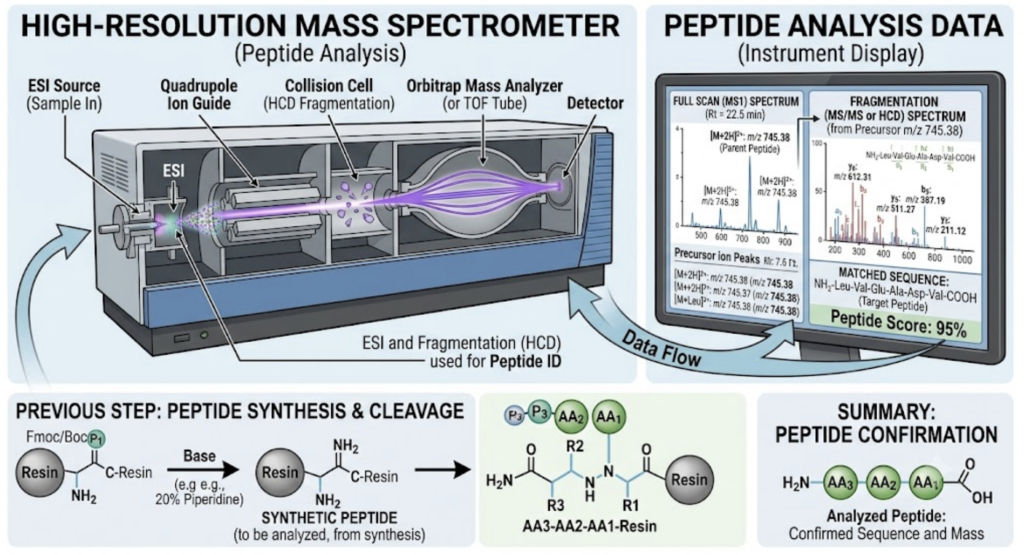
Mass Spectrometry (MS)
Mass spectrometry measures the molecular weight of the peptide with remarkable precision.
Scientists compare the measured molecular mass with the theoretical value expected from the amino acid sequence.
This helps verify that the correct peptide has been synthesised.
Additional analytical techniques may include:
- Amino acid analysis
- LC-MS
- MALDI-TOF Mass Spectrometry
- UV spectroscopy
- Infrared spectroscopy
Together, these methods provide confidence that researchers are working with the intended investigational compound.
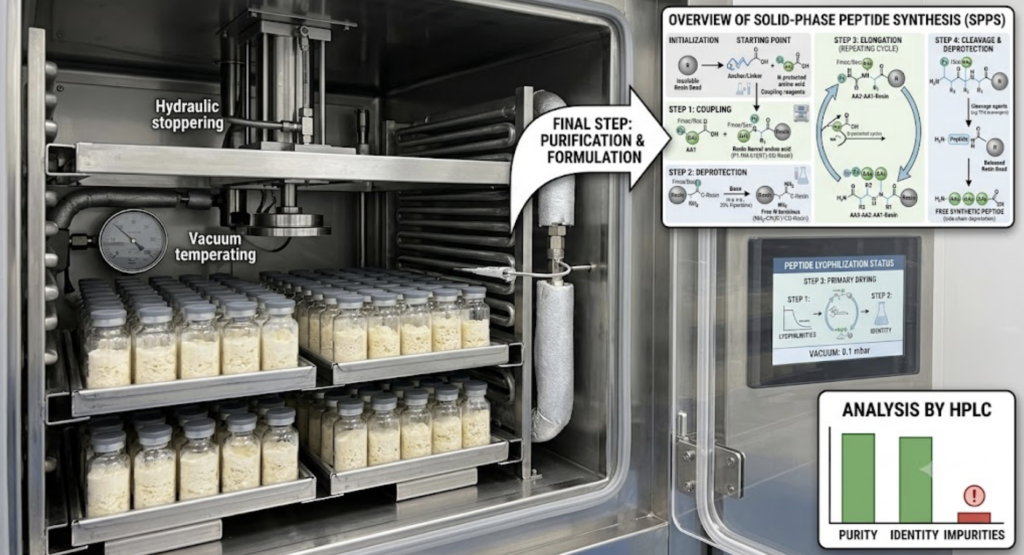
Step 5: Lyophilisation (Freeze-Drying)
Once purified and analysed, many research peptides are converted into a stable dry powder using lyophilisation, also known as freeze-drying.
This process removes water while preserving the structural integrity of the peptide.
The simplified process includes:
- Freezing the peptide solution.
- Applying a vacuum.
- Removing ice through sublimation.
- Producing a dry peptide powder.
Lyophilised peptides generally offer improved stability during transport and storage compared with liquid formulations.
Step 6: Quality Control
Before release, research peptides typically undergo multiple quality control procedures.
Depending on the manufacturer, these may include:
- Identity verification
- Purity testing
- Appearance inspection
- Moisture analysis
- Batch consistency
- Sterility testing (where applicable)
- Endotoxin testing (where applicable)
- Packaging verification
Comprehensive quality assurance helps improve consistency between production batches and supports reproducible laboratory investigations.
Understanding Peptide Purity
Peptide purity is often one of the first specifications researchers examine when selecting research materials.
Purity refers to the proportion of the sample consisting of the intended peptide.
For example:
- 95% purity means approximately 95% of the material consists of the target peptide.
- The remaining percentage may include synthesis by-products, truncated peptide sequences, residual solvents, or trace impurities.
While higher purity is generally desirable, the appropriate purity level depends on the experimental design and research objectives.
Researchers should always evaluate purity alongside identity verification and supporting analytical documentation.
What Is a Certificate of Analysis (COA)?
A Certificate of Analysis (COA) is a document that summarises analytical testing performed on a specific production batch.
Although the format varies by manufacturer, a COA commonly includes:
- Product name
- Batch number
- Manufacturing date
- Purity results
- Identity verification
- Analytical methods
- Storage recommendations
Researchers use COAs to verify that materials meet the stated quality specifications before beginning laboratory investigations.
Why Batch Consistency Matters
Scientific experiments rely on reproducibility.
If one batch of peptide differs significantly from another, experimental outcomes may become difficult to interpret.
For this reason, reputable manufacturers emphasise:
- Consistent synthesis methods
- Standardised purification
- Routine analytical testing
- Controlled manufacturing environments
- Batch traceability
Batch-to-batch consistency supports reliable research by reducing unnecessary variability.

How to Store Research Peptides
Proper storage is an important consideration for maintaining peptide integrity after manufacture.
Storage recommendations vary depending on the peptide and the manufacturer’s guidance, but researchers generally consider factors such as:
- Temperature
- Moisture exposure
- Light exposure
- Container integrity
- Duration of storage
Following the supplier’s recommended storage conditions helps preserve the physical and chemical properties of research materials throughout their intended shelf life.
Why Quality Matters in Research
Reliable scientific conclusions depend on reliable research materials.
High-quality peptides provide researchers with greater confidence that observed experimental outcomes are related to the biological properties of the investigational peptide rather than inconsistencies in manufacturing.
When evaluating research peptides, scientists often consider:
- Verified identity
- Analytical purity
- Batch consistency
- Manufacturing standards
- Quality documentation
- Traceability
- Secure packaging
Together, these factors contribute to the reproducibility and integrity of laboratory research.
Research Peptide Categories: Understanding the Different Types of Investigational Peptides
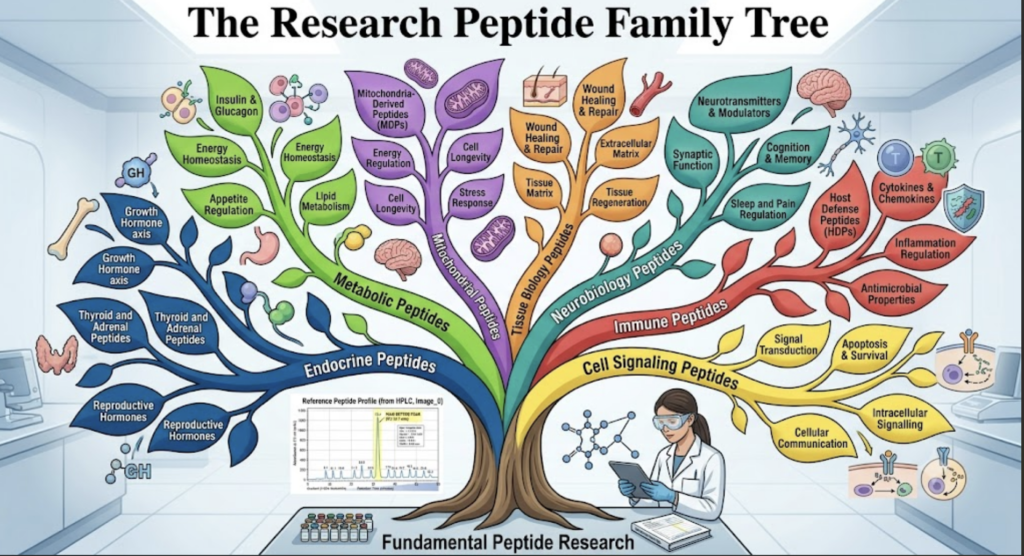
One of the reasons peptide research has expanded so rapidly is the incredible diversity of peptide molecules now available for scientific investigation. While many people associate research peptides with a single area of biology, modern peptide science spans numerous disciplines, from endocrinology and metabolism to neuroscience, mitochondrial biology, immunology, extracellular matrix research, and molecular pharmacology.
Each peptide has been developed or identified to investigate specific biological pathways. Some interact with hormone receptors, others regulate cellular signalling, while some are investigated for their role in mitochondrial communication or extracellular matrix biology.
Understanding these categories helps researchers select appropriate investigational compounds while also providing context for how different peptides relate to one another.
Growth Hormone & Endocrine Research Peptides
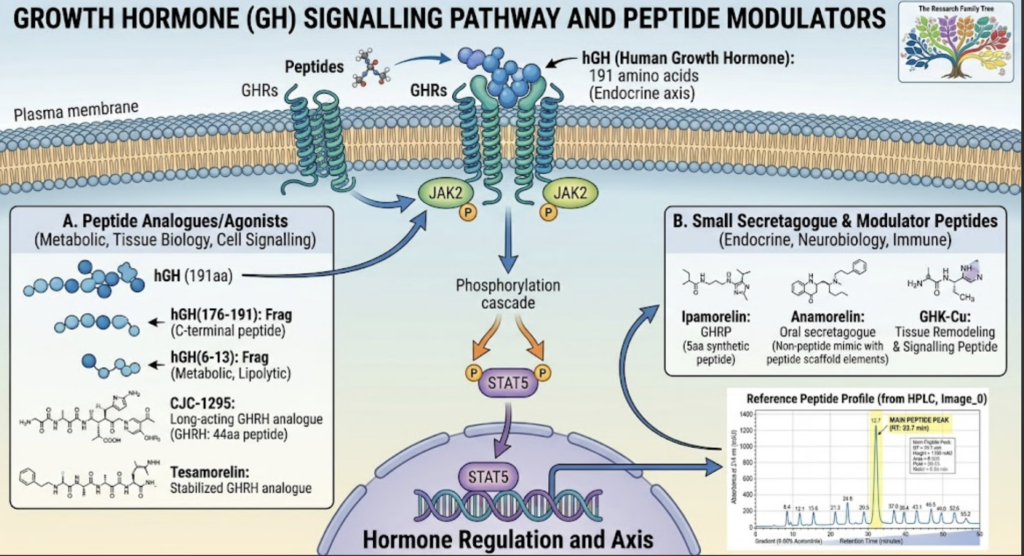
Growth hormone research remains one of the largest fields within peptide science. Rather than supplying hormones directly, many investigational peptides interact with the body’s natural endocrine signalling pathways.
Examples include:
- Tesamorelin
- Sermorelin
- Mod GRF 1-29 (CJC-1295 No DAC)
- Ipamorelin
- Hexarelin
- Gonadorelin
- Triptorelin
- Kisspeptin-10
Researchers investigate these peptides in laboratory models involving:
- Pituitary biology
- Growth hormone signalling
- GHRH receptor pharmacology
- Ghrelin receptor signalling
- Neuroendocrine regulation
- Reproductive endocrinology
- Hormonal communication
These peptides collectively provide researchers with tools for studying some of the body’s most important endocrine pathways.
Metabolic Research Peptides
Metabolic peptide research has become one of the fastest-growing areas of modern biomedical science.
Many investigational peptides interact with receptors involved in nutrient sensing, energy regulation, and endocrine communication.
Examples include:
- Retatrutide
- Tirzepatide
- Semaglutide
- AOD-9604
- Fragment 176-191
- Adipotide (FTPP)
Current areas of laboratory investigation include:
- Metabolic signalling
- Hormone receptor biology
- Cellular metabolism
- Endocrine communication
- Molecular pharmacology
- Energy homeostasis
Retatrutide has become particularly significant because it simultaneously activates GLP-1, GIP, and glucagon receptors, making it one of the most advanced investigational metabolic peptides currently studied.
Mitochondrial Research Peptides
Mitochondria are responsible for far more than ATP production. Modern research has revealed that these organelles play an important role in intracellular communication and cellular adaptation.
Examples include:
- Humanin
- MOTS-c
- NAD+
Researchers investigate mitochondrial-derived peptides in laboratory models involving:
- Mitochondrial signalling
- Cellular metabolism
- Energy production
- Oxidative stress biology
- Protein homeostasis
- Molecular ageing research
Interest in mitochondrial peptides continues to grow because of their unique role in cell biology and metabolism.
Tissue Biology & Extracellular Matrix Peptides
Healthy tissues rely on constant communication between cells and the extracellular matrix.
Several investigational peptides are widely studied in laboratory models examining extracellular matrix biology and cellular interactions.
Examples include:
- BPC-157
- TB-500
- GHK-Cu
- Matrixyl
- Tripeptide-29
- KPV
Researchers investigate these compounds in studies involving:
- Collagen biology
- Fibroblast activity
- Extracellular matrix signalling
- Cell migration
- Molecular communication
- Protein interactions
These peptides remain important tools in biomaterials research and tissue engineering.

Neurobiology Research Peptides
The nervous system depends heavily on peptide-mediated communication.
Scientists continue investigating numerous neuropeptides across laboratory models involving cognitive function, neuronal signalling, endocrine communication, and molecular biology.
Examples include:
- Semax
- Selank
- DSIP
- VIP
- Oxytocin
- Pinealon
- Livagen
- Chonluten
Research areas include:
- Neuropeptide signalling
- Synaptic communication
- Circadian biology
- Neuroendocrinology
- Cellular signalling
- Molecular neuroscience
These peptides demonstrate the remarkable diversity of peptide signalling within the central nervous system.
Immune & Cellular Signalling Peptides
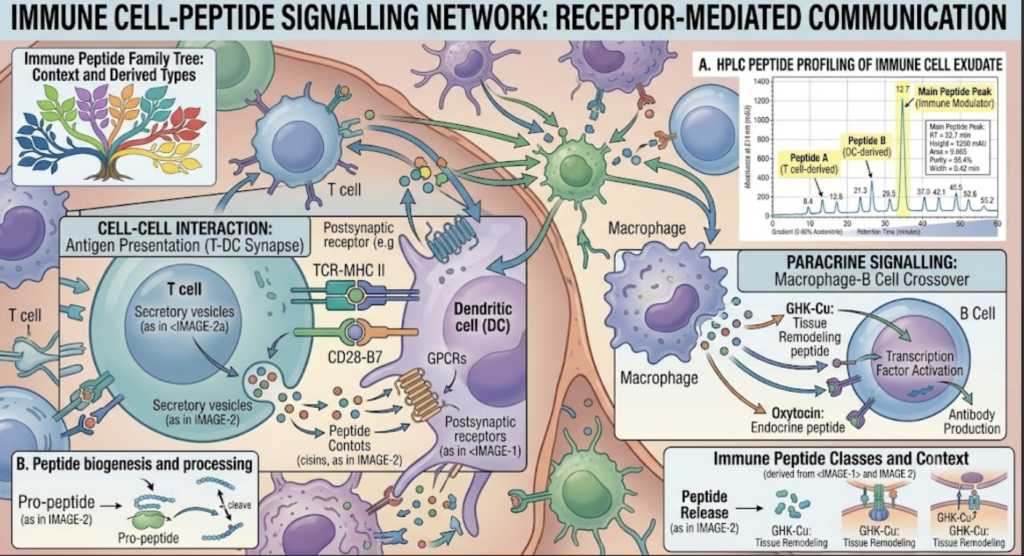
A growing number of peptides are investigated for their role in immune signalling and cellular communication.
Examples include:
- Thymosin Alpha-1
- KPV
- PNC-27
- FOXO4-DRI
- B7-33
- ACE-031
Researchers investigate these compounds in laboratory studies involving:
- Protein interactions
- Cellular signalling
- Molecular pharmacology
- Cell biology
- Receptor biology
- Signal transduction
Each peptide contributes to a broader understanding of how cells communicate and regulate biological processes.
Bioregulatory Peptides
Bioregulatory peptides are among the shortest investigational peptides studied today.
Examples include:
- Epithalon
- Pinealon
- Livagen
- Chonluten
Researchers investigate these peptides in laboratory models involving:
- Gene expression
- Molecular signalling
- Cellular communication
- Chronobiology
- Neuroendocrine biology
- Protein regulation
These peptides have become increasingly recognised within molecular biology because of their tissue-specific origins and compact structures.
Choosing the Right Research Peptide
Selecting an investigational peptide depends entirely on the biological pathway being studied.
For example:
Researchers investigating endocrine signalling may explore:
- Tesamorelin
- Sermorelin
- Ipamorelin
- Hexarelin
Researchers focused on metabolic signalling may investigate:
- Retatrutide
- Tirzepatide
- Semaglutide
Studies involving mitochondrial biology may utilise:
- Humanin
- MOTS-c
- NAD+
Extracellular matrix research commonly includes:
- GHK-Cu
- TB-500
- BPC-157
- Matrixyl
Understanding these categories allows researchers to identify investigational compounds aligned with their specific laboratory objectives.
Building a Comprehensive Research Peptide Library
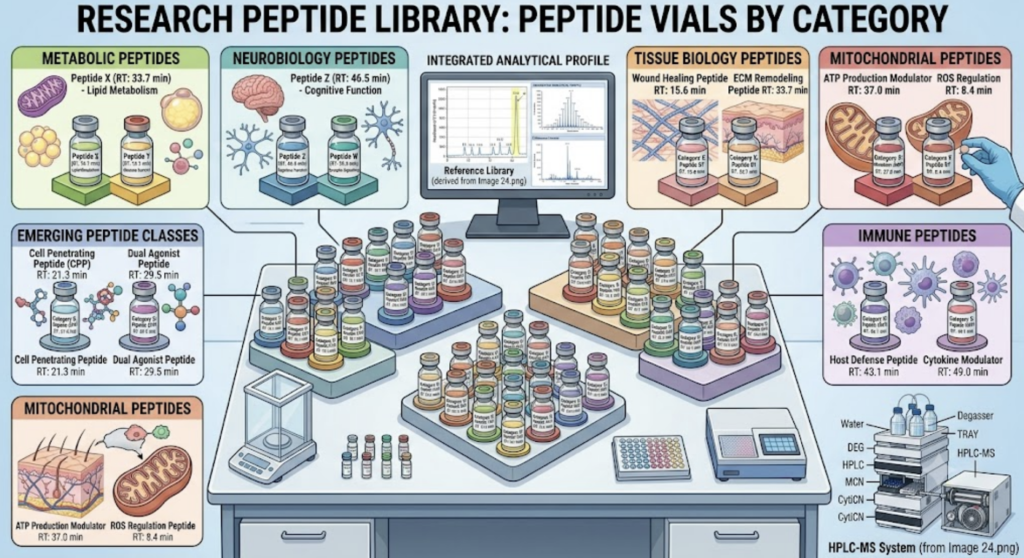
As peptide science continues to evolve, laboratories often investigate multiple peptide families to better understand the complex interactions between biological systems.
Rather than functioning independently, endocrine signalling, metabolism, mitochondrial communication, tissue biology, and neurobiology frequently overlap.
This interconnected nature of biology is one of the reasons peptide research continues to expand across pharmaceutical development, biotechnology, molecular biology, and translational science.
Whether investigating receptor pharmacology, intracellular signalling, or peptide chemistry, researchers benefit from access to high-quality, analytically verified research materials that support reproducible scientific investigations.
Frequently Asked Questions About Research Peptides
As interest in peptide science continues to grow, researchers, students, and laboratory professionals frequently ask similar questions about how research peptides are produced, handled, and investigated. This section answers some of the most common questions using clear, science-focused information that complements the rest of this guide.
Important: The information below relates to peptides supplied for laboratory research purposes only. It is intended to support scientific understanding and should not be interpreted as medical advice or instructions for human use.

What Are Research Peptides?
Research peptides are short chains of amino acids manufactured for laboratory investigation. They are commonly used to study receptor biology, molecular signalling, endocrinology, neuroscience, metabolism, mitochondrial function, immunology, and numerous other areas of biomedical science.
Unlike proteins, peptides are generally much smaller molecules, making them valuable tools for investigating highly specific biological pathways.
How Do Research Peptides Work?
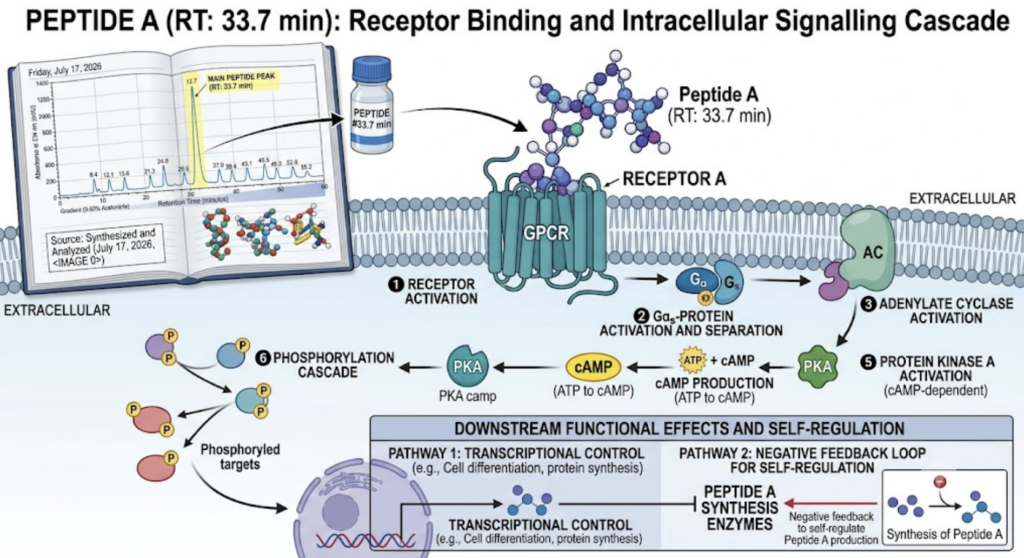
Many research peptides function by binding to specific receptors located on the surface of cells. Once a receptor is activated, intracellular signalling pathways transmit information throughout the cell, influencing processes such as gene expression, protein synthesis, enzyme activity, and cellular communication.
Different peptides interact with different receptors depending on their amino acid sequence and biological target.
What Is the Difference Between a Peptide and a Protein?
Both peptides and proteins are composed of amino acids joined by peptide bonds.
The primary difference is size.
Peptides are relatively short amino acid chains, whereas proteins are much larger and often contain hundreds or even thousands of amino acids arranged into complex three-dimensional structures.
Many naturally occurring hormones—including insulin and oxytocin—are peptides.
Why Are Research Peptides Popular in Biomedical Science?
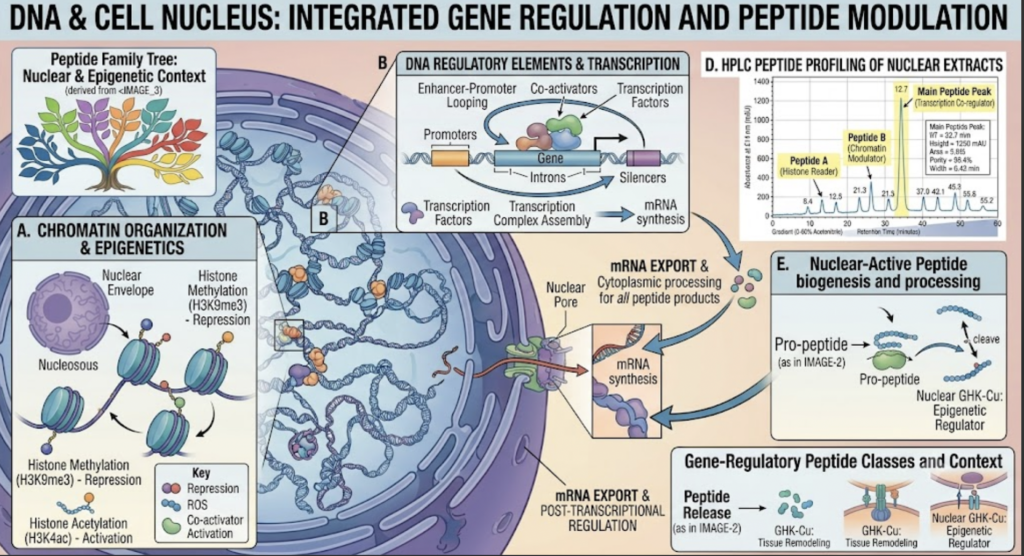
Peptides are widely investigated because they often demonstrate high receptor specificity.
This allows researchers to examine individual signalling pathways with greater precision than many traditional small-molecule compounds.
Current areas of peptide research include:
- Endocrinology
- Neuroscience
- Molecular biology
- Cell signalling
- Mitochondrial biology
- Pharmacology
- Immunology
- Tissue engineering
- Protein chemistry
What Is a Lyophilised Peptide?
Many research peptides are supplied in lyophilised (freeze-dried) form.
Lyophilisation removes water from the peptide while helping preserve its physical stability during storage and transportation.
Researchers commonly prefer lyophilised peptides because they are generally more stable than liquid formulations when stored according to the manufacturer’s recommendations.
What Does Peptide Purity Mean?
Purity refers to the proportion of the sample consisting of the intended peptide.
For example, a peptide reported as 98% pure contains approximately 98% of the target peptide, with the remaining percentage consisting of trace synthesis by-products or other minor components.
Purity is typically assessed using analytical techniques such as High-Performance Liquid Chromatography (HPLC).
What Is HPLC?
High-Performance Liquid Chromatography (HPLC) is one of the most widely used analytical methods for evaluating peptide purity.
The technique separates molecules according to their chemical properties, allowing researchers to identify and quantify the target peptide and any detectable impurities.
HPLC is considered a standard quality control technique throughout peptide manufacturing.
What Is Mass Spectrometry?
Mass spectrometry is an analytical technique used to verify the molecular weight of a peptide.
Researchers compare the measured molecular mass with the expected value calculated from the peptide’s amino acid sequence to help confirm that the correct compound has been synthesised.
Mass spectrometry is commonly used alongside HPLC during quality assurance.

What Is a Certificate of Analysis (COA)?
A Certificate of Analysis (COA) is a quality assurance document that summarises analytical testing performed on a specific production batch.
Depending on the manufacturer, a COA may include:
- Product identification
- Batch number
- Purity results
- Identity verification
- Testing methods
- Storage recommendations
Researchers often review COAs before beginning laboratory investigations.
Why Is Batch Consistency Important?
Reproducible science depends on reproducible materials.
If peptide quality varies significantly between batches, researchers may observe differences that are unrelated to the biological questions being investigated.
Consistent manufacturing and quality control help reduce unnecessary experimental variability.
Are All Research Peptides the Same?
No.
Research peptides differ considerably in:
- Amino acid sequence
- Molecular size
- Biological target
- Receptor affinity
- Signalling pathways
- Chemical stability
- Research applications
For example:
- Retatrutide is investigated as a triple receptor agonist.
- Tesamorelin is a GHRH analogue.
- Humanin is a mitochondrial-derived peptide.
- GHK-Cu is studied within extracellular matrix biology.
Each peptide belongs to a distinct area of scientific research.
Which Research Peptides Are the Most Popular?
Some of the most widely recognised investigational peptides include:
Metabolic Research
- Retatrutide
- Tirzepatide
- Semaglutide
Endocrine Research
- Tesamorelin
- Sermorelin
- Ipamorelin
- Mod GRF 1-29
Tissue Biology
- BPC-157
- TB-500
- GHK-Cu
Neurobiology
- Semax
- Selank
- DSIP
- VIP
Mitochondrial Biology
- MOTS-c
- Humanin
- NAD+
These examples illustrate the broad range of peptide families currently investigated in laboratory settings.
How Should Research Peptides Be Stored?
Storage recommendations depend on the specific peptide and the manufacturer’s guidance.
Researchers should always follow the storage conditions provided with the product to help maintain the integrity of laboratory materials.
Factors that may influence stability include:
- Temperature
- Moisture
- Light exposure
- Packaging
- Duration of storage
Following the recommended storage guidance supports the preservation of product quality over time.
Can Different Research Peptides Be Compared?
Yes. Comparing peptides is a common part of laboratory research.
Examples include:
- Retatrutide vs Tirzepatide
- Retatrutide vs Semaglutide
- Tesamorelin vs Sermorelin
- Tesamorelin vs Ipamorelin
- GHK-Cu vs Matrixyl
These comparisons help researchers understand differences in structure, receptor targets, and biological pathways.
Why Are Internal Research Resources Valuable?
Beyond product specifications, educational resources can help researchers better understand peptide classifications, mechanisms of action, and current areas of investigation.
Comprehensive guides, comparison articles, and category overviews also make it easier to identify related compounds and explore emerging areas of peptide science.
Explore More Research Peptide Resources
To continue learning, explore our dedicated guides covering topics such as:
- Retatrutide explained
- Tesamorelin explained
- Growth hormone research peptides
- Metabolic research peptides
- Mitochondrial-derived peptides
- Tissue biology peptides
- Neurobiology research peptides
- Peptide manufacturing and quality control
Each guide expands on the concepts introduced in this article and links to relevant research peptide product pages for further information.
Conclusion
Research peptides have become indispensable tools in modern biomedical science, enabling researchers to investigate highly specific biological pathways with remarkable precision. From endocrine signalling and metabolic regulation to mitochondrial communication and tissue biology, these compounds continue to support advances across a wide range of scientific disciplines.
As peptide chemistry and molecular biology evolve, access to well-characterised, research-grade materials—supported by rigorous manufacturing and quality control—remains fundamental to producing reliable, reproducible laboratory research.
Whether you are exploring peptide science for the first time or expanding an established research programme, understanding peptide classifications, mechanisms, and manufacturing standards provides a strong foundation for interpreting experimental findings and navigating this rapidly developing field.
¹ Visual concepts and explanations in this article were developed with brainstorming assistance from Google Gemini.